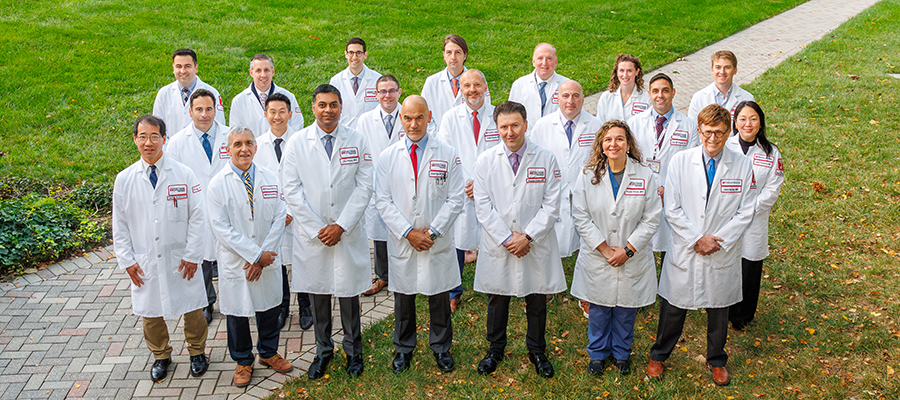
Surgical Expertise at Fox Chase
At the Fox Chase – Temple Health Urologic Institute, patients have access to advanced surgical options for cancers of the urinary tract and male reproductive system. Our surgeons are leaders in minimally invasive and robotic techniques, as well as complex surgeries when needed. Every treatment plan is designed with the goal of curing cancer while protecting quality of life.
Surgical Techniques for Urologic Cancers
Minimally Invasive & Robotic Surgery
Whenever possible, our surgeons use robotic-assisted, minimally invasive techniques. These approaches mean smaller incisions, less pain, and quicker recovery. They are often used for prostate, kidney, bladder, and adrenal cancers, and can be especially helpful for complex procedures like nerve-sparing prostate surgery or partial kidney removal.
Organ-Sparing Surgery
Our goal is to treat cancer while preserving as much healthy tissue and function as possible. This may mean removing only part of the kidney, using focal therapy to treat a section of the prostate, or performing organ-sparing surgery for penile cancer. These options help protect urinary, sexual, and overall quality of life.
Cryotherapy & Focal Treatments
Some cancers can be treated without removing the entire organ. At Fox Chase, this includes cryoablation, which uses freezing to destroy prostate cancer cells, and other focal therapies that precisely target cancer while sparing healthy tissue.
Reconstructive & Complex Surgery
When major surgery is needed, our surgeons are highly experienced in reconstruction. For example, after bladder removal, we offer advanced techniques such as a neobladder or urinary diversion. We also perform reconstructions for urethral or ureteral cancers to restore urinary function.
Traditional Open Surgery
Some cancers are best treated with standard open surgery. This includes the removal of a testicle for testicular cancer, as well as certain advanced cases of bladder, kidney, or penile cancer. At Fox Chase, your team will help decide which surgical approach is best for your needs.
Personalized Surgical Planning and Recovery
At the Fox Chase–Temple Health Urologic Institute, no two patients are the same — and neither are their treatment plans. Every surgical approach is tailored to the individual, taking into account the type and stage of cancer, overall health, and each patient’s goals for recovery and quality of life.
Our care extends well beyond the operating room. Patients receive comprehensive perioperative support, including preparation before surgery, expert pain management, and rehabilitation services designed to help them regain strength and confidence quickly.
A central focus of our surgical program is preserving quality of life. Whether that means nerve-sparing procedures for prostate cancer, partial nephrectomies to maintain kidney function, or reconstructive techniques following bladder surgery, our surgeons are committed to achieving the best possible outcome while safeguarding long-term health and daily well-being.
Frequently Asked Questions
What makes robotic surgery different?
Robotic-assisted surgery uses advanced technology that gives surgeons greater precision and control. For patients, this often means smaller incisions, less pain, and shorter hospital stays compared to traditional open procedures. At the Urologic Institute, robotic surgery is used across many cancer types — including prostate, kidney, bladder, and adrenal tumors — and can provide effective treatment while helping patients return to daily life more quickly.
Do you offer second opinions?
Yes. Seeking a second opinion is common, and our surgeons frequently provide them for patients from across the region. A second opinion can confirm a diagnosis, explore alternative treatment options, or simply provide peace of mind before moving forward. At Fox Chase, our subspecialized urologic oncologists take the time to review each case thoroughly and offer expert guidance, helping patients feel confident they are making the right decision for their care.
Will I need additional treatments after surgery?
In some cases, surgery alone may be all that’s needed. However, depending on the stage and type of cancer, patients may also benefit from chemotherapy, immunotherapy, or radiation. At Fox Chase, these treatments are carefully coordinated with your surgical plan through a multidisciplinary team approach, ensuring every aspect of care is aligned to give you the best outcome while minimizing side effects.
Am I a candidate for minimally invasive or laparoscopic surgery?
Many patients with urologic cancers are good candidates for minimally invasive or laparoscopic surgery, including robotic-assisted options. Your eligibility depends on the type and stage of your cancer and your overall health. At the Urologic Institute, your surgeon will determine the safest, most effective approach for you.
How long does it take to recover from urologic cancer surgery?
Recovery varies by procedure and overall health. Patients who have robotic-assisted surgery often return to daily activities within a few weeks, while more complex surgeries may take longer. Fox Chase provides comprehensive perioperative support to help patients recover safely and maintain quality of life.
Take the Next Step in Your Care
If you are considering surgery for a urologic cancer, our team at the Fox Chase – Temple Health Urologic Institute is here to help. Connect with us today:
- Call 888-FOX-CHASE to speak with our team
- Schedule an Appointment
- Find a Urologic Cancer Doctor
- Browse Our Locations