
Utility Nav

  • About Us
    • Blog
    • History
    • Administrative Leaders
    • Clinical Leaders
    • Research Leaders
    • External Advisory Board
    • Administrative Offices
    • Care Connect
    • News & Publications
    • Events
    • International Partners
    • Careers
  • Locations
  • Contact Us
  • Giving
  • Patient Portal
  • Katz School of Medicine

Utility Nav 2

  • Find a Doctor
  • Request Appointment
  • 888-369-2427

Main navigation

  • Clinical Care
    • About Fox Chase Cancer Center
    • Cancer Types & Conditions
    • Clinical Residencies and Fellowships
    • Clinical Trials
    • Departments
    • Patient Stories
    • Prevention & Screening
    • Support
    • Why Choose Fox Chase
  • Research & Training
    • Overview
    • Scientists
    • Faculty Publications
    • Research Programs
    • Research Institutes
    • Clinical Research
    • Research Core Facilities
    • Training & Education
    • Office of Research Initiatives for Strategic Excellence (RISE)
  • Patients & Visitors
    • Appointments
    • Insurance & Financial Information
    • Resource and Education Center
    • Visitor Information
    • Locations
    • Partners
    • International Patients
    • Where to Stay
  • Healthcare Professionals
    • Refer a Patient
    • Physician Resources
    • Key Account Managers
    • Care Connect for Physicians
    • Continuing Education
    • Careers
    • eNewsletters
  • Community
    • Volunteer
    • Community Outreach
    • Community Health
    • Patient and Family Advisory Council
    • Walk & Run Events
888-369-2427

Utility Nav 2

  • Find a Doctor
  • Request Appointment
  • 888-369-2427
  • Back One Level
  • About Us
  • Blog
  • History
    • main menu
      Back One Level
    • History
    • Discoveries
    • Women in Science
    • Endowed Chairs
  • Administrative Leaders
  • Clinical Leaders
  • Research Leaders
  • External Advisory Board
  • Administrative Offices
  • Care Connect
  • News & Publications
    • main menu
      Back One Level
    • News & Publications
    • Fox Chase Publications
    • Press Releases
    • Podcast: Connected By Cancer
    • Contact Information
  • Events
  • International Partners
    • main menu
      Back One Level
    • International Partners
    • International Projects
  • Careers

Breadcrumb

  1. Home
  2. About Us
  3. Thrive Cancer Blog
Link to /sites/default/files/thrive_logo0726%20%281%29.png
Link to /sites/default/files/styles/card/public/correa-psa-levels_0.jpg?h=869ec81f&itok=RGgq35it

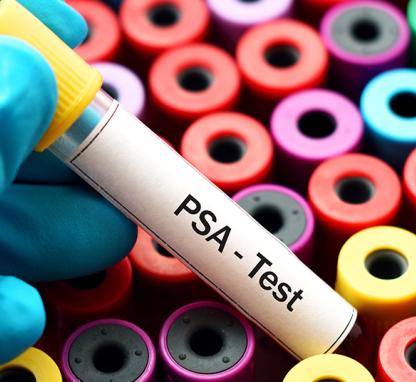
What Everyone Should Know About Prostate-Specific Antigen (PSA) Levels

Link to /sites/default/files/styles/card/public/Exercise%20and%20Cancer%20Blog%20Photo_0.jpg?h=2240b8e9&itok=LKDs9Pui

Exercise During Cancer Treatment: What You Should Know

Link to /sites/default/files/styles/card/public/how-to-tell-people_1200-628_0.jpg?h=2240b8e9&itok=tUq4Yg7y

Tips For Telling People You Have Cancer

Request an Appointment

Call 888-369-2427

Request Online

Magnet® Designated Nurses
Link to /sites/default/files/nursing-Magnet_slide.jpg

Why does Magnet® designation matter to you?

Find out
(NCI)-designated Comprehensive Cancer Center
Link to /sites/default/files/fcccnight.jpg

Find out what it means and the benefits of being treated at a center with this distinction.

Learn More
Link to /sites/default/files/styles/card/public/bleeding-after-menopause.jpg?h=4c910296&itok=5m6ONR79
August 6, 2019

5 Things to Know About Postmenopausal Bleeding

Updated June 19, 2020Spotting or light bleeding after menopause might not seem like a serious problem, but you should never ignore it or wait to bring it up with your doctor. After a woman’s periods have stopped, vaginal bleeding could be a sign of a health...

Read More

Link to /sites/default/files/styles/card/public/bleeding-after-menopause.jpg?h=4c910296&itok=5m6ONR79

5 Things to Know About Postmenopausal Bleeding

Link to /sites/default/files/styles/card/public/livingwithcancerblog.jpg?h=02f9ec50&itok=OzQBgz_U
August 5, 2019

Living with Cancer as a Chronic Illness

Most people think of cancer as a disease that’s either curable or terminal. But there’s also a middle ground: chronic cancer. And it can sometimes be emotionally difficult to deal with. Chronic cancers are those that can be watched and closely treated—bu...

Read More
Link to /sites/default/files/styles/card/public/livingwithcancerblog.jpg?h=02f9ec50&itok=OzQBgz_U

Living with Cancer as a Chronic Illness

Link to /sites/default/files/styles/card/public/PSAtest.jpg?h=79dabc76&itok=-FPntiPL
August 1, 2019

Prostate Cancer Screening Guidelines Puts Patient Choice First

Current U.S. Preventive Services Task Force (USPSTF) recommendations state that men ages 55 to 69 should decide for themselves whether to undergo a prostate-specific antigen (PSA) test after discussing the potential benefits and harms with their doctor.This...

Read More
Link to /sites/default/files/styles/card/public/PSAtest.jpg?h=79dabc76&itok=-FPntiPL

Prostate Cancer Screening Guidelines Puts Patient Choice First

Link to /sites/default/files/styles/card/public/BRCA1.jpg?h=92efa760&itok=deQVrQRG
July 23, 2019

BRCA1 and BRCA2 Mutations: What We Know Today

More than two decades ago, researchers identified harmful mutations in two genes—BRCA1 and BRCA2—that increased the risk of breast, ovarian, and other cancers. That landmark discovery led to a screening test for the mutations and helped many individuals&nbs...

Read More
Link to /sites/default/files/styles/card/public/BRCA1.jpg?h=92efa760&itok=deQVrQRG

BRCA1 and BRCA2 Mutations: What We Know Today

Link to /sites/default/files/styles/card/public/pelvicfloormen.jpg?h=585cecb8&itok=9uV67qWg
July 23, 2019

Prostate Cancer Survivors: This Blog Is For You

Urinary incontinence is a possible side effect of many cancer treatments. It’s especially problematic for men who’ve had prostate cancer.Although it may seem like a touchy topic, there’s no room for embarrassment or shame if you’re a prostate cancer survivo...

Read More
Link to /sites/default/files/styles/card/public/pelvicfloormen.jpg?h=585cecb8&itok=9uV67qWg

Prostate Cancer Survivors: This Blog Is For You

Link to /sites/default/files/styles/card/public/pancreatic-cyst-blog.jpg?h=ed76248b&itok=PFSiC22f
July 23, 2019

Pancreatic Cysts: Do They Raise Your Risk of Cancer?

The pancreas is a vital organ with two key functions: It produces enzymes that help digest food, and it secretes hormones—such as insulin—that help regulate metabolism.It’s not unusual for cysts—balloon-like packets filled with fluid—to form in the pancreas...

Read More
Link to /sites/default/files/styles/card/public/pancreatic-cyst-blog.jpg?h=ed76248b&itok=PFSiC22f

Pancreatic Cysts: Do They Raise Your Risk of Cancer?

  • Load More

888-369-2427

Fox Chase Cancer Center
Main Campus
333 Cottman Avenue
Philadelphia, PA 19111-2497

Connect with Fox Chase

  • Facebook Icon
  • Twitter Icon
  • Instagram Icon
  • Linkedin Icon
  • Flickr Icon
  • Youtube Icon
  • Appointments
  • Careers
  • Contact Us
  • Pay a Bill
  • Financial Assistance/Charity Care
  • Giving
  • Patient Portal
  • Temple Health
  • Lewis Katz School of Medicine
  • Temple University


  • A National Cancer Center Comprehensive Center
    National Comprehensive Cancer Network (NCCN)
    Best Hospitals Urology 2025 to 2026 US News Ranking

©2026 Temple University Health System, Inc., Philadelphia, Pennsylvania. All rights reserved.

Temple Health refers to the health, education and research activities carried out by the affiliates of Temple University Health System (TUHS) and by the Lewis Katz School of Medicine at Temple University. TUHS neither provides nor controls the provision of health care. All health care is provided by its member organizations or independent health care providers affiliated with TUHS member organizations. Each TUHS member organization is owned and operated pursuant to its governing documents.

  • Terms of Use
  • Patient Rights
  • Privacy Notice
  • Non-Discrimination Notice
  • Cookie Settings
  • TUHS Vendor Policies & Procedures
  • SMS Terms and Conditions
  • Price Transparency