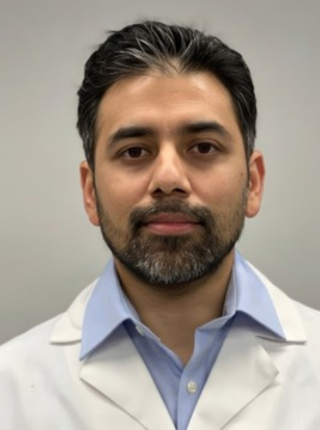
Hyeong-Min (HM) Lee, PhD
Assistant Research Professor
Institute for Cancer Research
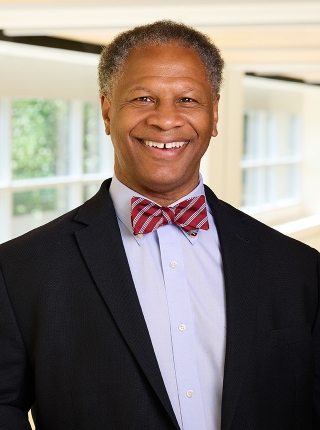
Cancer Center Director, Fox Chase Cancer Center
Senior Associate Dean for Cancer Research Innovation and Professor, Department of Cancer and Cellular Biology, Lewis Katz School of Medicine at Temple University
Professor, Cancer Prevention and Control Program, Fox Chase Cancer Center
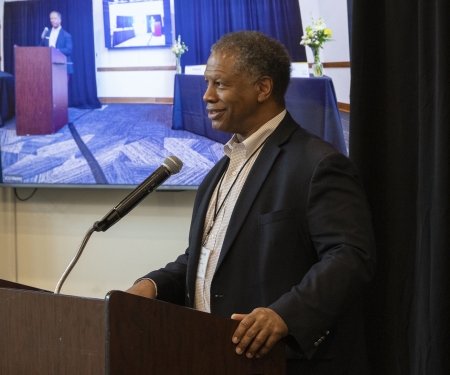
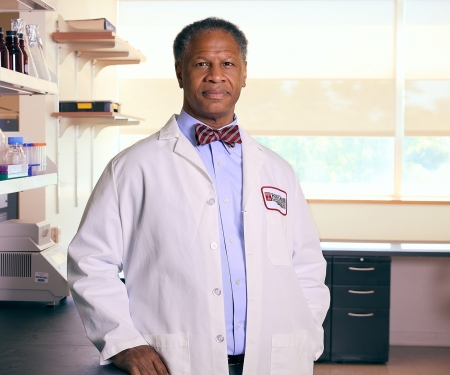
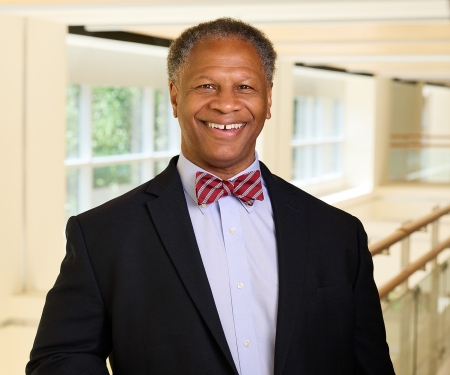
Robert A. Winn, MD, is the Cancer Center Director at Fox Chase Cancer Center. A nationally recognized physician-scientist, researcher, and cancer center leader, Dr. Winn has built his career around advancing cancer discovery while ensuring that progress reaches the patients and communities that need it most.
Dr. Winn’s work is grounded in a deeply personal belief in hope, opportunity, and community. He often describes himself not as self-made, but as “community made,” shaped by early educational opportunities, family support, and mentors who recognized his potential. That perspective continues to inform his collaborative leadership style and his commitment to creating opportunities for others.
An expert in pulmonary disease, critical care medicine, lung cancer, cancer disparities, and community-engaged research, Dr. Winn has focused much of his career on translating scientific advances into meaningful improvements in outcomes. He describes this work as taking cancer research “from bench to bedside to the block,” a philosophy rooted in the idea that discovery cannot stop in the laboratory or clinic. It must improve lives across entire communities.
Prior to joining Fox Chase, Dr. Winn served as Director and Lipman Chair in Oncology at VCU Massey Comprehensive Cancer Center. He has also held national leadership roles, including service with the Association of American Cancer Institutes, the American Cancer Society Board of Directors, and the LUNGevity Foundation Board of Directors.
At Fox Chase, Dr. Winn is focused on building on the center’s extraordinary legacy while strengthening collaboration, trust, access, and impact across Temple Health, Philadelphia, and beyond.

Winn Lab Vision
To transform lung cancer prevention, diagnosis, and treatment through innovative translational science that integrates molecular cancer biology, population science, and health equity - improving outcomes for all patients regardless of where they live, work, or receive care.
Winn Lab Mission
Under the direction of Dr. Robert A. Winn, the Winn Lab conducts pre-clinical, translational research aimed at understanding the biological and social drivers that lead to lung cancer development and progression. Through the integration of cutting-edge molecular biology, diverse patient-derived models, genetically engineered mouse models (GEMMs), large-scale omics-datasets, and epidemiology, we seek to uncover novel mechanisms of disease and translate discoveries into meaningful clinical impact.
Our Scientific Focus
We are particularly interested in understanding how:
How We Advance Discovery
The Winn Lab leverages a multidisciplinary convergence science approach by:
Why Our Work Matters
Lung cancer remains the leading cause of cancer-related deaths worldwide. Yet significant disparities persist in who develops lung cancer, who receives timely care, and who survives the disease.
The Winn Lab is committed to understanding not only the molecular drivers of lung cancer but also the impact of:
By examining how ZIP code, community environment, and living experience intersect with biology, we aim to uncover actionable factors that contribute to cancer disparities and identify strategies that promote equitable cancer outcomes.
Strategic Vision and Goals to Achieve Our Mission
Goal 1: Champion Diversity in Cancer Research
Develop and utilize research strategies that better reflect the diversity of populations impacted by lung cancer.
Goal 2: Discover Biological Drivers of Lung Cancer
Identify novel molecular mechanisms involving stress signaling, ion channels, RNA-binding proteins, senescence, and PRMTs that can serve as therapeutic targets.
Goal 3: Advance Precision and Translational Medicine
Translate laboratory discoveries into clinically relevant biomarkers and treatment strategies that improve patient outcomes.
Goal 4: Integrate Biology with Population Health
Bridge molecular science with epidemiology and social drivers of health to create a comprehensive understanding of lung cancer risk and progression.
Goal 5: Reduce Lung Cancer Disparities
Generate evidence that informs interventions, policies, and clinical strategies aimed at eliminating inequities in lung cancer incidence, access to care, and survival.
Goal 6: Foster Convergence Science and Collaboration
Build strategic partnerships across disciplines to accelerate discovery and maximize the impact of scientific innovation.
Our Future
The Winn Lab envisions a future where scientific breakthroughs and health equity advance together - where every discovery not only deepens our understanding of lung cancer biology but also contributes to eliminating disparities and improving outcomes for all communities.
Link to Dr. Winn’s publications: https://www.ncbi.nlm.nih.gov/myncbi/robert.winn.1/bibliography/public/