A Mammogram Is Essential, But Is It Enough?
-
Finding the Right Care for Your Breast Health Needs
A screening mammogram is one of the most important tools for finding breast cancer early, often before it causes symptoms. But staying on top of your breast health is not always as simple as scheduling one test.
Your age, breast density, family history, personal medical history and any new breast changes can all affect the type of care you need. Some people are due for routine screening. Others may benefit from a formal risk assessment, genetic counseling or additional imaging. And many need help evaluating a symptom or abnormal test result even though they have not been diagnosed with breast cancer.
During Breast Cancer Awareness Month, it is important to understand both the value of screening and what to do when you need something more. Fox Chase Cancer Center offers several points of entry so patients can begin with the service that best matches their needs and move smoothly to the next level of care when necessary.
Screening Is the Starting Point
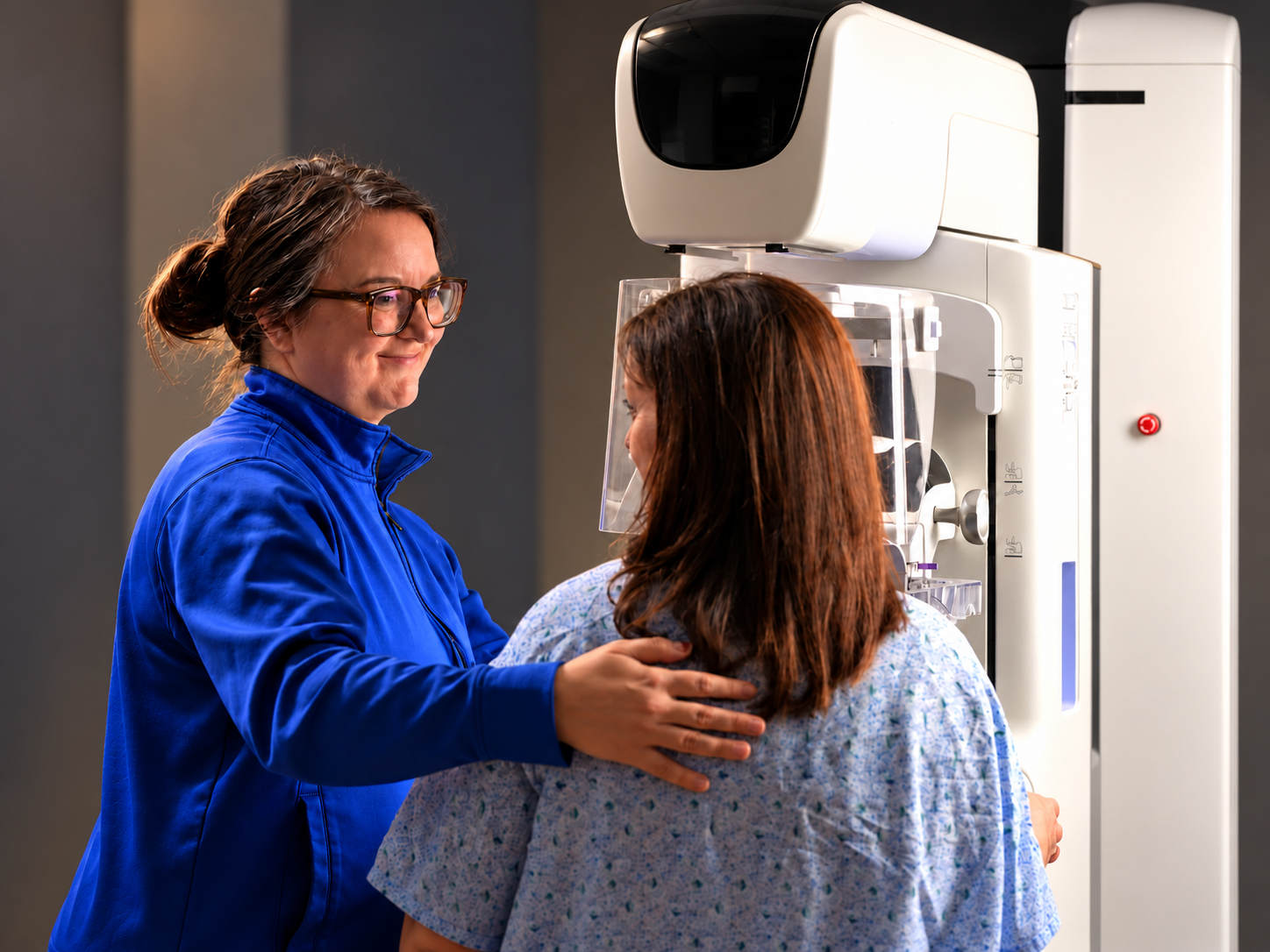
Screening mammograms are used to look for breast cancer in people who do not have symptoms. For many women at average risk, annual mammography beginning at age 40 is recommended. Your healthcare provider can help determine the screening schedule that is right for you.
Mammography remains the foundation of breast cancer screening because it can identify changes that are too small to see or feel. Three-dimensional mammography, also called digital breast tomosynthesis, creates images of the breast from multiple angles and can give radiologists a clearer view of breast tissue.
Breast density can affect what a mammogram shows. Dense breast tissue can make cancer more difficult to detect on imaging and is also associated with an increased risk of breast cancer in many, though not all, populations. Depending on your overall risk and imaging results, your provider may recommend additional testing such as breast ultrasound or magnetic resonance imaging, or MRI.
Routine screening is intended for people without breast symptoms. A new lump, nipple discharge, skin change, persistent breast pain or an abnormal imaging result may require a diagnostic evaluation instead.
Your Personal Risk May Change Your Screening Plan
Breast cancer risk is different for everyone. A formal risk assessment considers more than age and can help determine whether you should begin screening earlier, have imaging more often or add another screening method.
Factors that may affect your screening plan include a strong family history of breast or ovarian cancer, a known inherited cancer-related gene mutation, previous chest radiation, certain findings from a prior breast biopsy and dense breast tissue. Genetic counseling may also be appropriate when a personal or family history suggests that an inherited gene change could be present.
Fox Chase's Risk Assessment Program provides individualized cancer-risk evaluation, genetic counseling and testing when appropriate, and personalized recommendations for screening and risk reduction. This service is especially valuable for people who feel healthy but may have a higher-than-average risk of developing breast cancer.
When You Need More Than Routine Screening
Many people fall somewhere between routine breast screening and cancer treatment. They may have a breast symptom, an abnormal mammogram or a condition that needs specialized follow-up, but they do not have a confirmed cancer diagnosis.
It can be difficult to know where to turn in that situation. Should you schedule another imaging test, see a breast specialist or wait to see whether the concern goes away? Delaying evaluation can prolong uncertainty, while trying to coordinate several appointments on your own can make the process more confusing.
Fox Chase created the Breast Examination and Screening Team, or B.E.S.T., to provide a dedicated pathway for advanced breast health management. The program serves women and men who need expert evaluation of breast concerns, including:
- Abnormal breast imaging
- A breast mass or lump
- Breast pain
- Nipple discharge
- Changes in the skin of the breast or nipple
- Pain, swelling or a lump in the armpit
What Makes B.E.S.T. Different
The B.E.S.T. program is led by advanced practice providers with specialized experience in breast health and the signs and symptoms of breast cancer. Patients receive a focused evaluation and help determining what should happen next.
When additional testing is needed, the team can coordinate diagnostic mammography, ultrasound, MRI or other appropriate services. They also help patients understand their results and navigate follow-up recommendations. This creates a clearer path through a process that might otherwise involve several disconnected referrals.
Many breast symptoms and imaging findings are not cancer. However, they still deserve careful evaluation so patients can understand the cause, receive appropriate care and know whether continued monitoring is needed. The B.E.S.T. program gives patients access to breast-focused expertise without requiring a cancer diagnosis first.
If an evaluation identifies cancer or another concern that requires a physician specialist, B.E.S.T. can connect the patient directly with Fox Chase's breast cancer treatment team. That connection helps preserve continuity from the first concern through diagnosis and treatment, if treatment is needed.
If Breast Cancer Is Found
Patients diagnosed with breast cancer at Fox Chase are cared for by a multidisciplinary team. Breast surgeons, medical oncologists, radiation oncologists, plastic and reconstructive surgeons, radiologists, pathologists, genetic counselors and nurse navigators work together to review the diagnosis and develop an individualized treatment plan.
This coordinated approach is important because breast cancer treatment depends on several factors, including the cancer's stage, hormone-receptor and HER2 status, genetic or genomic test results, the patient's overall health and personal treatment goals. Bringing the appropriate specialists together helps patients understand their options and make informed decisions about care.
Finding the Right Place to Start
- The right entry point depends on what you are experiencing:
- If you are due for routine screening and do not have any breast symptoms, start with a screening mammogram.
- If you are concerned about family history, inherited risk or whether you need enhanced screening, contact the Risk Assessment Program.
- If you have a breast symptom, abnormal imaging result or complex breast health concern without a cancer diagnosis, connect with B.E.S.T.
- If you have been diagnosed with breast cancer or want a second opinion, request an appointment with the multidisciplinary breast cancer team.
Take the Next Step
Breast Cancer Awareness Month is a reminder to pay attention to your breast health, but awareness is most useful when it leads to the right action. Whether you need a mammogram, a better understanding of your risk, an evaluation of a concerning symptom or expert cancer care, Fox Chase can help you determine where to begin.
To connect with the appropriate Fox Chase breast health service, call 888-FOX-CHASE (888-369-2427) or request an appointment online.