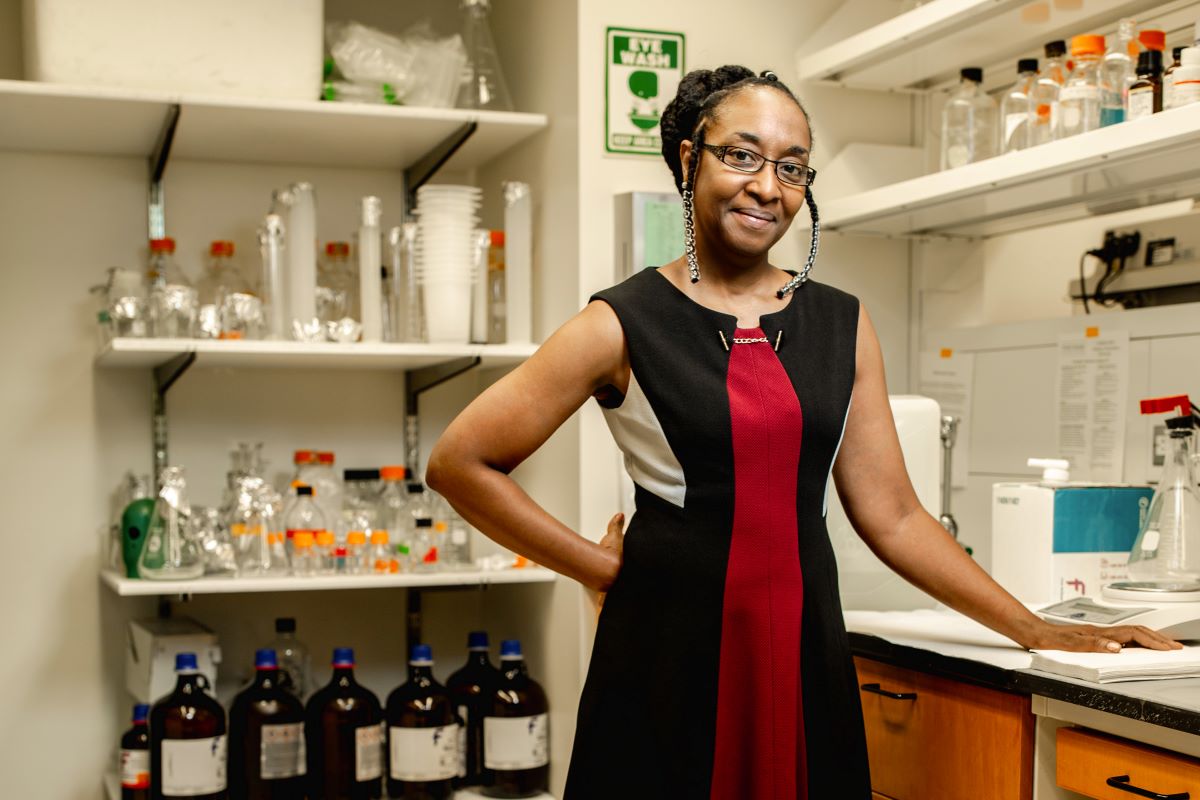
- Researchers from Fox Chase Cancer Center and The University of Alabama seek to address a major gap in cancer research.
- The study will include patients from the United States, Africa, and the Caribbean to evaluate possible therapeutic targets and better understand why patients respond to treatment differently
- The researchers aim to support more equitable cancer care for patients worldwide.
PHILADELPHIA (August 3, 2026) — A new international research collaboration led by investigators at Fox Chase Cancer Center and The University of Alabama is working to improve outcomes for patients with metastatic colorectal cancer by expanding representation in cancer research and identifying biological markers that may influence survival.
The study leverages the African Cancer Genome Registry (ACGR) to include patients from the United States, Africa, and the Caribbean — populations that have historically been underrepresented in colorectal cancer research. Researchers will analyze tissue-based markers to evaluate potential therapeutic targets in hopes of better understanding why patients respond differently to treatment.
“This study addresses a major gap in cancer research,” said Camille Ragin, PhD, MPH, Associate Director for Cancer Disparities Research and Research Integration and Professor in the Cancer Prevention and Control Research Program at Fox Chase. “By including populations that are often missing from global studies, we have an opportunity to uncover insights that could directly improve patient outcomes.”
The ACGR, launched at Fox Chase in 2017, provides a global research infrastructure that combines genomic data with information on social determinants of health. The collaboration, conducted with support from Merck (known as MSD outside of the United States and Canada), builds on the African-Caribbean Cancer Consortium (AC3), an international research network focused on cancer disparities that Ragin is leader and founder of.
The study will focus on metastatic colorectal cancer, a disease that remains a leading cause of cancer death, particularly among adults under 50 in the United States.
“There is still much we don’t understand about why colorectal cancer behaves differently across populations,” said Sanjeevani Arora, PhD, Assistant Professor in the Cancer Prevention and Control Research Program and a member of the Cancer Epigenetics Institute at Fox Chase.
“Global, representative studies like this are essential to identifying the markers that can guide more effective treatment,” added Arora, who is a co-principal investigator on the study.
Previous research from Arora’s lab has identified disparities in treatment response among Black patients with rectal cancer, underscoring the need for broader, more inclusive studies. The new collaboration will collect tissue samples and clinical data from sites across the U.S., Africa, and the Caribbean to determine how specific markers relate to patient survival.
The study includes research partners in Kenya, Benin, Burkina Faso, Malawi, Rwanda, St. Lucia, Barbados, and the University of Alabama, which plays a leadership role in the project.
“This work shows the power of global collaboration,” said JoAnn S. Oliver, PhD, RN, CNE, FAAN, Professor, Endowed Chair, and Chair of the Division of Nursing and Health Advancement at the Capstone College of Nursing at the University of Alabama.
“By working across regions, we can generate insights that move the field forward and ultimately benefit patients worldwide,” added Oliver, who also serves as a co-principal investigator for the study and is a co-leader of the AC3 colorectal cancer working group.
Beyond advancing scientific discovery, the collaboration also aims to build research capacity in regions with fewer resources and support the next generation of cancer disparities researchers.
“Our goal is not just better representation,” Ragin said. “It’s better outcomes for patients with colorectal cancer globally.”