- Researchers discovered a natural mechanism that helps protect the liver from cancer while it repairs itself.
- During stress, some liver cells temporarily stop dividing and become resistant to turning cancerous.
- The findings may lead to new approaches that support liver healing while lowering cancer risk in chronic liver disease.
PHILADELPHIA (January 13, 2026) — New research from scientists at Fox Chase Cancer Center has uncovered a natural “safety switch” in the liver that helps prevent cancer from developing while the organ repairs itself after injury.
The study, published in Nature Communications, shows that liver cells can temporarily pause their growth during times of stress, reducing the risk that rapid regeneration could turn into cancer. The findings shed new light on how the liver balances healing with long-term protection against liver cancer.
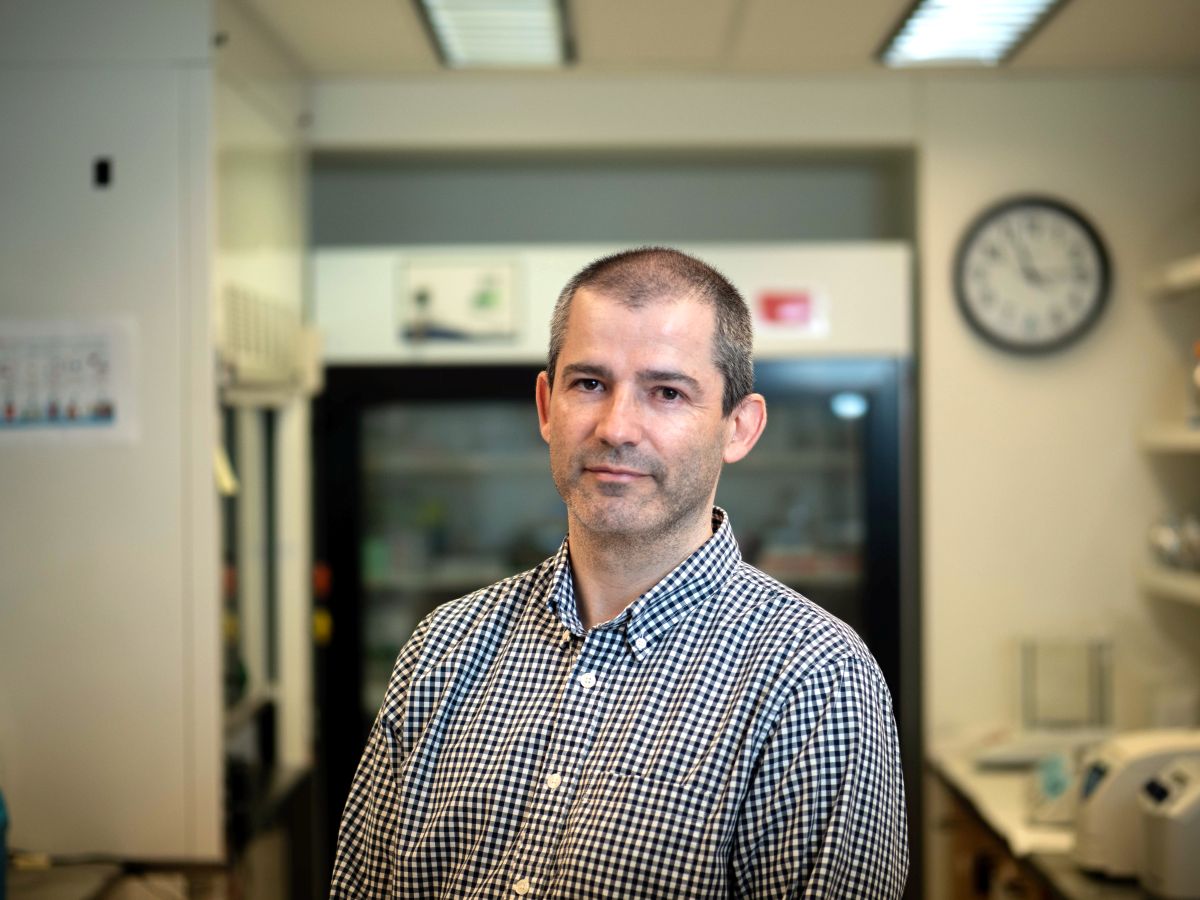
“This research gives us a clearer picture of how the liver protects itself. Understanding that process may help us design safer, more effective treatments for liver disease,” said Joan Font-Burgada, PhD, senior author on the paper and an Assistant Professor in the Cancer Signaling and Microenvironment Research Program at Fox Chase.
When Healing Becomes Risky
The liver is well known for its ability to regenerate after injury caused by disease, surgery, or toxins. But in chronic liver conditions, where damage happens over and over, this constant regeneration can increase the risk of cancer. Until now, scientists did not fully understand how the liver manages this risk.
The researchers discovered that during liver injury, many liver cells enter a flexible, in-between state rather than fully changing into another cell type. In this temporary state, the cells stop dividing and become highly resistant to turning cancerous.
“These cells act like a built-in safety valve,” said Lauren S. Strathearn, PhD, a former postdoctoral fellow in the Font-Burgada lab and a lead author on the study. “They allow the liver to recover from injury while preventing uncontrolled cell growth that could lead to cancer.”
How the Liver Knows When to Grow — or Rest
The team found that this protective pause is controlled by a signaling system called Notch, which helps cells sense their environment. When Notch signals are carefully balanced, liver cells know whether to grow or rest, allowing regeneration to happen safely.
To study this process, researchers created a specialized mouse model that allowed them to track these “paused” cells during liver repair. Even when exposed to strong growth signals or cancer-causing mutations, these cells did not form tumors, unlike other liver cells that continued to divide.
What This Means for Future Treatments
The findings help explain why liver regeneration does not automatically lead to cancer and may open the door to new treatments.
In the future, researchers plan to study whether this same protective mechanism works in people with chronic liver diseases such as metabolic liver disease or viral hepatitis. If confirmed, therapies could be developed to activate or enhance this natural defense system, helping the liver heal while lowering cancer risk.
The study, “Plastic Hepatocyte States Limit Liver Cancer Development,” was published in Nature Communications.