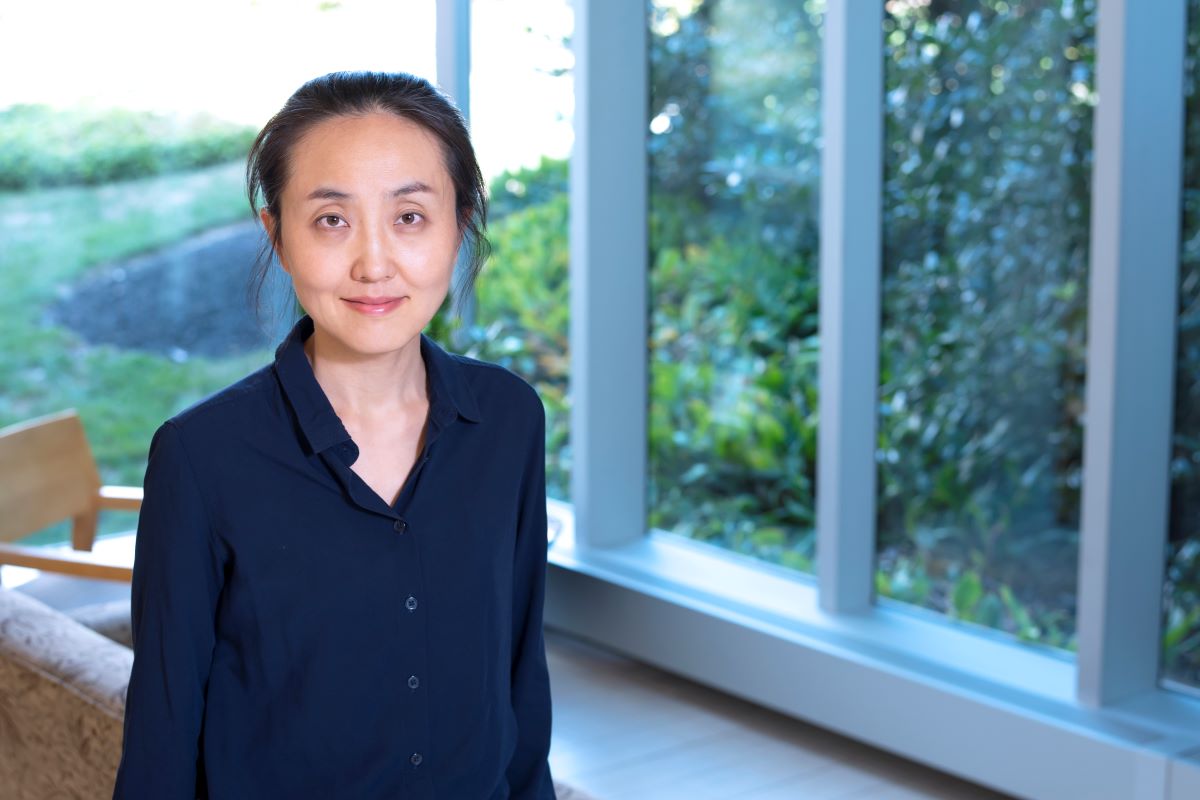
- Fox Chase researcher Hayan Lee, PhD, received a 2026 national Multi-Omics Grant from Arima Genomics to study healthy aging.
- The research examines how changes in DNA organization drive inflammation and age‑related disease.
- By studying centenarians alongside younger adults, the project aims to uncover markers of longevity and resilience.
PHILADELPHIA (July 16, 2026)—Why do some people stay healthy well into old age while others develop chronic disease earlier in life? A new nationally funded research project led by Hayan Lee, PhD, an Assistant Professor and member of the Cancer Epigenetics Institute at Fox Chase Cancer Center, aims to help answer that question by studying how changes in our DNA over time influence aging and inflammation.
Lee has been awarded the 2026 Multi‑Omics Grant from Arima Genomics, a biotechnology company that develops advanced genomic technologies used by researchers worldwide to study how DNA organization influences health and disease. The grant recognizes innovative research that explores aging at the molecular level.
Her work focuses on understanding chronic inflammation, a long‑lasting immune response that increases with age and plays a role in many serious conditions, including cancer, heart disease, and neurodegenerative disorders.
“Chronic inflammation is one of the biggest drivers of age‑related disease,” said Lee. “By understanding how aging changes the way our DNA is organized and regulated, we hope to uncover why some people remain healthier for longer and how we might one day help more people do the same.”
A New Way to Study Aging
Lee’s project, “3D Genome Architecture Remodeling in Aging,” examines how the physical organization of DNA inside our cells changes as we grow older and how those changes affect which genes are turned on or off.
Rather than studying one biological factor at a time, the project uses a powerful approach called multi‑omics, which looks at multiple layers of biology together to get a more complete picture of how the body works.
What Is Multi‑Omics?
Multi‑omics combines several types of biological information, including:
- Genomics — the DNA we inherit at birth.
- Epigenomics — chemical tags that control how genes behave over time.
- Transcriptomics — which genes are actively being used by cells.
- 3D genome structure — how DNA folds and interacts inside the cell.
“You can think of multi‑omics like looking at a city from different angles,” Lee explained. “Genes are the buildings, gene activity is what’s happening inside them, and the 3D structure shows how neighborhoods are organized. You need all of this information to understand how the city truly functions.”
Learning From People Who Age Exceptionally Well
To better understand healthy aging, the research will analyze biological samples from approximately 12 individuals who have lived into their 100s, alongside individuals in their 30s and 60s. Comparing these groups allows scientists to identify molecular patterns that may protect against disease.
“People who live past 100 often avoid or delay major illnesses,” said Lee. “By studying what’s happening in their cells, we may discover biological features that support resilience and longevity.”
Long‑Term Impact
By uncovering how DNA organization influences inflammation and aging, this research could eventually help scientists identify early warning signs of disease, develop better biomarkers of healthy aging, and guide future prevention strategies.
The Lee Lab specializes in analyzing complex biological data using advanced computational tools, including machine learning, to turn molecular insights into meaningful health knowledge.
Arima Genomics selected Lee for the 2026 Multi‑Omics Grant based on the project’s potential to significantly advance understanding of human aging.