Siddharth Balachandran, PhD, Director of the Center for Immunology at Fox Chase Cancer Center, conducts research that sits at the intersection of virology, cell death, and immunology. For years, his lab at Fox Chase has explored how infected cells trigger their own death rather than let viruses take over. These studies have revealed that the same molecular mechanisms that defend us from pathogens can be repurposed to help the body recognize and destroy cancer cells.
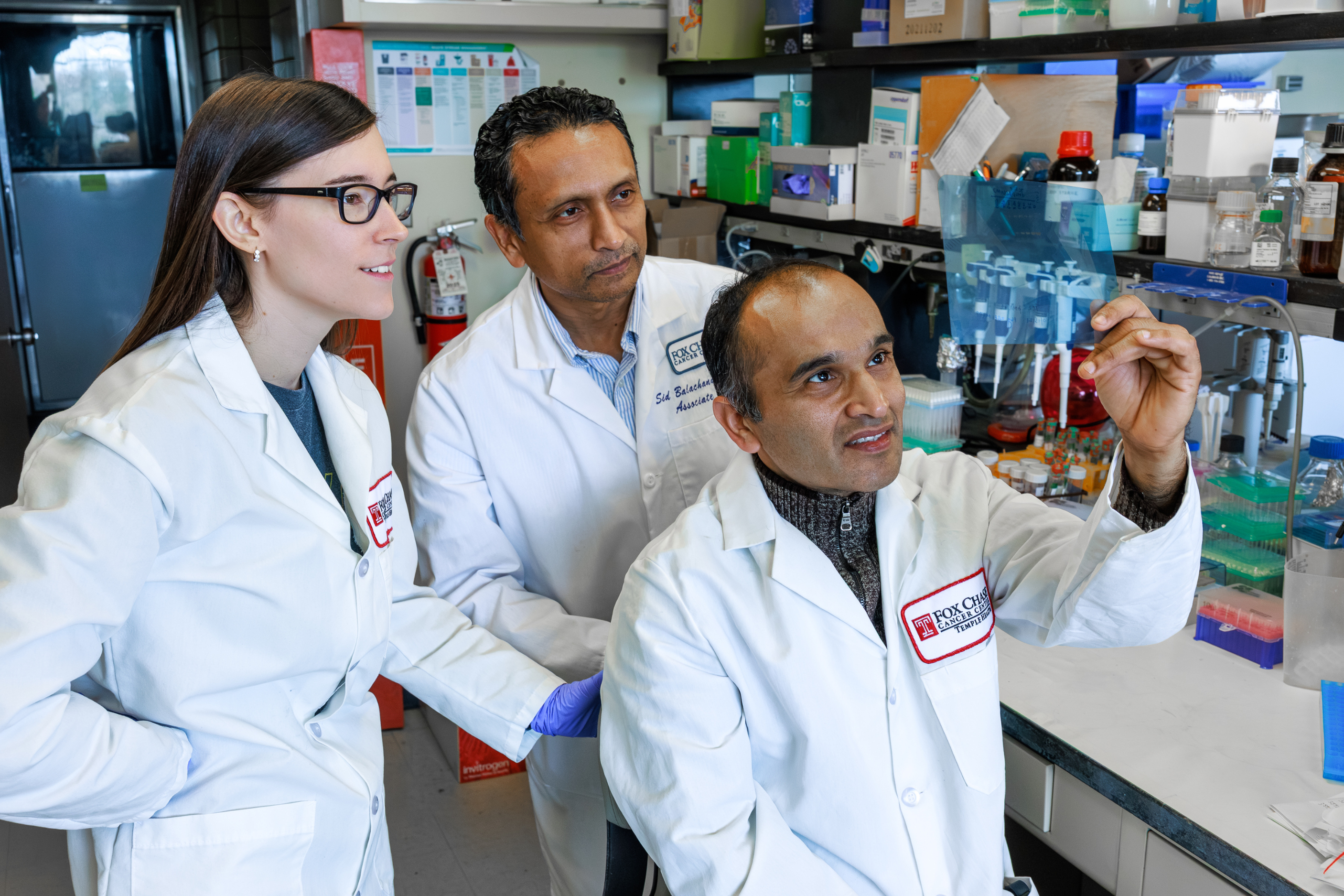
Although it might not be apparent at first glance, basic immunology research, including mapping how immune sensors, signaling pathways, and cell-death programs work, supplies the essential knowledge, targets, and biomarkers that make new cancer therapies possible.
“It’s really important to study the body’s immune responses to pathogens so we know how the immune system responds normally to what it’s meant to respond to. Many current cancer therapeutics have come from people studying normal cells and normal biology, and not the cancer cell itself,” says Balachandran, who is also a Professor in the Cancer Signaling and Microenvironment Research Program at Fox Chase.
Understanding these molecular processes reduces uncertainty when moving from the lab to the clinic and shortens the time it takes for discoveries to become real treatments.
How Fundamental Science Drives Discovery
At its heart, Balachandran’s work exemplifies the power of basic science to drive transformative change.
It started with a simple question driven by curiosity: How do viruses kill the cells they infect? It led to his lab revealing a mechanism that not only explains a fundamental biological process but also opens a new avenue for treating disease.
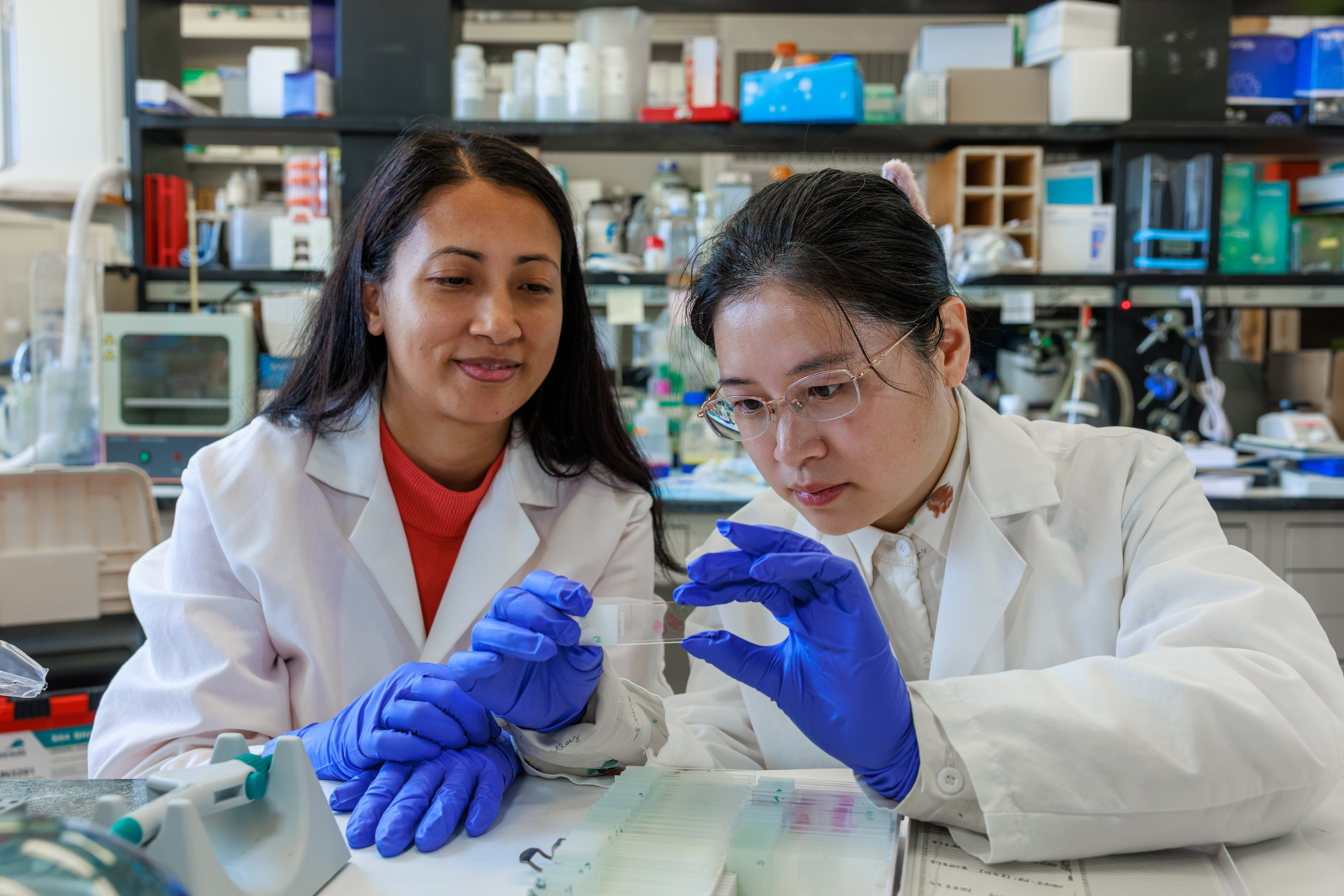
“Understanding how the cell responds to infection led us to a way to make immunotherapy, which uses the body’s immune system to recognize, attack, and kill cancer cells, more effective,” he says. “That’s the value of fundamental research; it creates possibilities no one saw coming.”
Balachandran’s most recent research, which is built on the idea that antiviral immune defenses can be repurposed to attack tumors, was published in the prestigious journal Nature.
How Cells Detect Viruses From Within
In this research, Balachandran’s team uncovered an entirely new way that cells detect viral infections. Surprisingly, the process begins with the cell itself.
“We used to think viruses provided the signals that alert cells to danger. Now we know our own cells can create those signals, and that revelation opens entirely new directions for medicine,” Balachandran says.
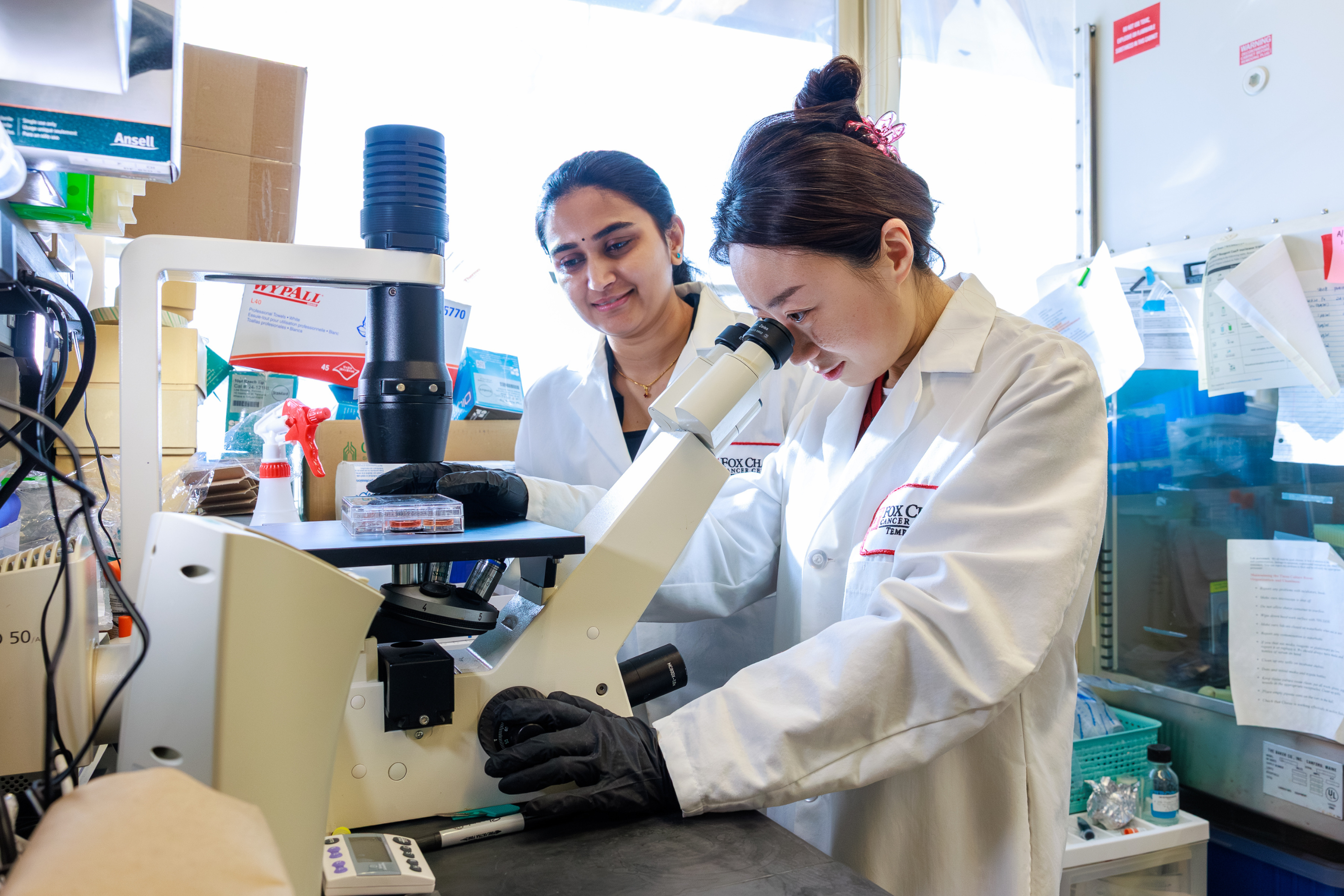
The team found that in response to influenza infection, cells generate a unique type of RNA, known as Z-RNA, which activates the sensor ZBP1 and triggers a self-destruct process to stop the virus from spreading. Even more remarkable, they discovered that these Z-RNAs arise from endogenous retroviruses, ancient viral remnants embedded in our DNA that were once dismissed as “junk.”
“It’s a new paradigm in innate immunity,” says Balachandran. “The cell uses its own ancient viral code to protect itself.”
Turning Viral Defense Into Cancer Immunity
While this discovery revolutionizes our understanding of viral defense, its implications stretch far beyond infection.
Balachandran and his team are applying the same principles to tackle one of the biggest challenges in oncology: why most cancers remain invisible to the immune system.
“Immunotherapy has changed cancer care, but only a small percentage of patients benefit,” he explains. “For many tumors, the immune system simply doesn’t recognize them as dangerous.”
Drawing on their viral research, the team has found a way to trick tumor cells into mimicking virus-infected cells, thus activating the body’s natural immune defenses. By using small molecules that awaken those same endogenous retroviral elements without an actual infection, they can make cancers “look” infectious, prompting an immune response.
Developing Small Molecules to Boost Immunotherapy
Working in partnership with Sven Miller, PhD, an Assistant Research Professor in the Molecular Modeling Facility at Fox Chase, Balachandran’s lab is now developing a new class of small-molecule compounds that activate these antiviral pathways in cancer cells.
This approach builds on the team’s earlier Nature study from 2022 and moves closer to a future where tumors that once resisted immunotherapy could finally become treatable.
“We can make the cancer look infected,” says Balachandran. “And once the immune system believes that it takes care of the rest.”
The Future of Immunity and Cancer Research
As Balachandran’s research continues to evolve, one thing is clear: the boundaries between infection, immunity, and cancer are not as fixed as once believed. By uncovering how cells harness their own viral code to defend themselves, his work is helping to shape a new era of immunology.
“Many current cancer therapeutics have come from people studying normal cells and normal biology, and not the cancer cell itself.”—Siddarth Balachandran, PhD, Director, Center for Immunology, Fox Chase Cancer Center