
Sarcoma: Discover the Power of Support
-
It's easy to feel alone when you learn you have a rare disease like sarcoma. But as I tell my patients in my medical oncology practice, you are far from alone. At Fox Chase Cancer Center, a network of support services and resources are available to you. When you seek these services and connect with supportive people in your life and community, it can help make your sarcoma journey easier.
Why support matters in a sarcoma journey
Sarcoma is a rare type of tumor that starts in bone and soft tissues that support or connect parts of the body, including fat, muscles, nerves, tendons, and blood vessels. There are many different subtypes of sarcoma. At Fox Chase, treating this type of cancer involves a team of specialists working together. They may use one or more treatment options, such as surgery, chemotherapy, targeted therapy, immunotherapy, or radiation. Treatment options are highly individualized.
Support is also essential at every step of your sarcoma care. Getting the support and resources you deserve can improve your quality of life. For example, you could gain:
Information about sarcoma. Fewer than 20,000 sarcomas are diagnosed each year in the U.S. Because it's so rare, it's even more likely that patients who are newly diagnosed will have a lot of questions. One of the ways your care team and support network can help is by empowering you with reliable information that can help you feel more in control.
Emotional support. Sarcoma isn't just a physical disease. Treating it successfully also means supporting the emotional and mental health needs of patients who have it.
Practical support. Daily life doesn't pause when you have sarcoma. Whether it's rides to appointments or help with groceries, practical support can help make coping with cancer a little easier.
Finding strength and sarcoma support
Here are some of the many ways you can connect with sarcoma support and community:
Reach out to loved ones for emotional and practical support
As I say to my patients, everyone needs a good listener they can trust with their feelings. Maybe that's your circle of family and close friends. Sharing what you're struggling with can be helpful, and they may be dealing with difficult feelings about your cancer too. It's often good to lean on each other for love and support.
In addition to sharing how you're feeling, you can tell your family and friends how they can help. You may not always have the energy to complete all of your daily tasks, like shopping or yard care. Getting help with these things can make life a little easier and allow you to focus on completing your cancer treatment.
Seek support from your sarcoma care team
You can reach out to your doctor, nurse navigator, or another member of your care team. If you want, you can ask them to connect you to a counselor or other mental health professional who can offer you emotional support and practical advice.
Sarcoma can feel overwhelming for you and those close to you. It's completely normal to experience a wide range of emotions you may not be used to, feelings that may be difficult to navigate along with changes cancer brings. I advise my patients that counseling can help them and their caregivers manage these emotional and social challenges of living with cancer together.
If you're feeling depressed or anxious, let your healthcare team know about that right away. They can also help you manage any symptoms related to your cancer or your treatments.
Stay connected to your community
Try to stay engaged with your social network, as much as you feel like it and are able to. You don't have to go out and do things every day. But being engaged, whether it's having a friend over, attending a faith service, or meeting up with your support group, can have a positive effect on your mental health during cancer treatment.
Many people with cancer feel lonely for reasons that can be related to their diagnosis. For instance, you might feel like no one else gets what cancer is like. And it may feel hard to talk about your feelings and fears. This is normal. But talking about it can help you cope with these changes.
Join a support group
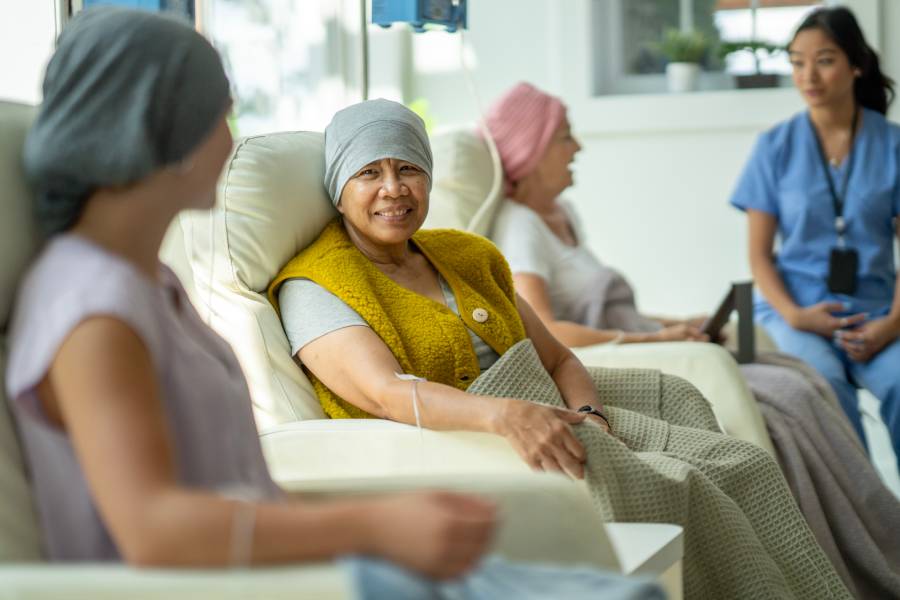
Your doctor can help you find a support group. Talking to someone else who is living with sarcoma can help you manage feelings and learn practical advice from those who understand the challenges of sarcoma best.
If you're looking for a sarcoma support group, I hope you consider joining ours, STORIES which stands for Sarcoma Together Offering Restorative Interaction Through Education and Support. This free, online group meets the last Wednesday of every third month.
You don't have to be a patient at Fox Chase to join our support group, which is designed to help you feel understood, informed, and supported. It's a great way to connect with others, share experiences, and tell stories. As a support group participant, you can:
- Learn about treatment and resources
- Learn to communicate better with your medical team and loved ones
- Feel more hopeful and empowered
- Learn new ways of coping with sarcoma
- Discover strategies and resources to feel less lonely, anxious, or stressed
If you're interested in learning more about our STORIES support group, visit the Fox Chase website, where you can find the names and emails of our team members who can help.
Get the care and support you need
The Sarcoma Program at Fox Chase is home to a team of specialists who offer the latest treatments and a full array of support services.
To meet with a sarcoma specialist, call 888-369-2427 or request an appointment online.
Helpful Resources
Looking for more information?