
Cervical Cancer Screening: How Often Should You Get Tested?
-
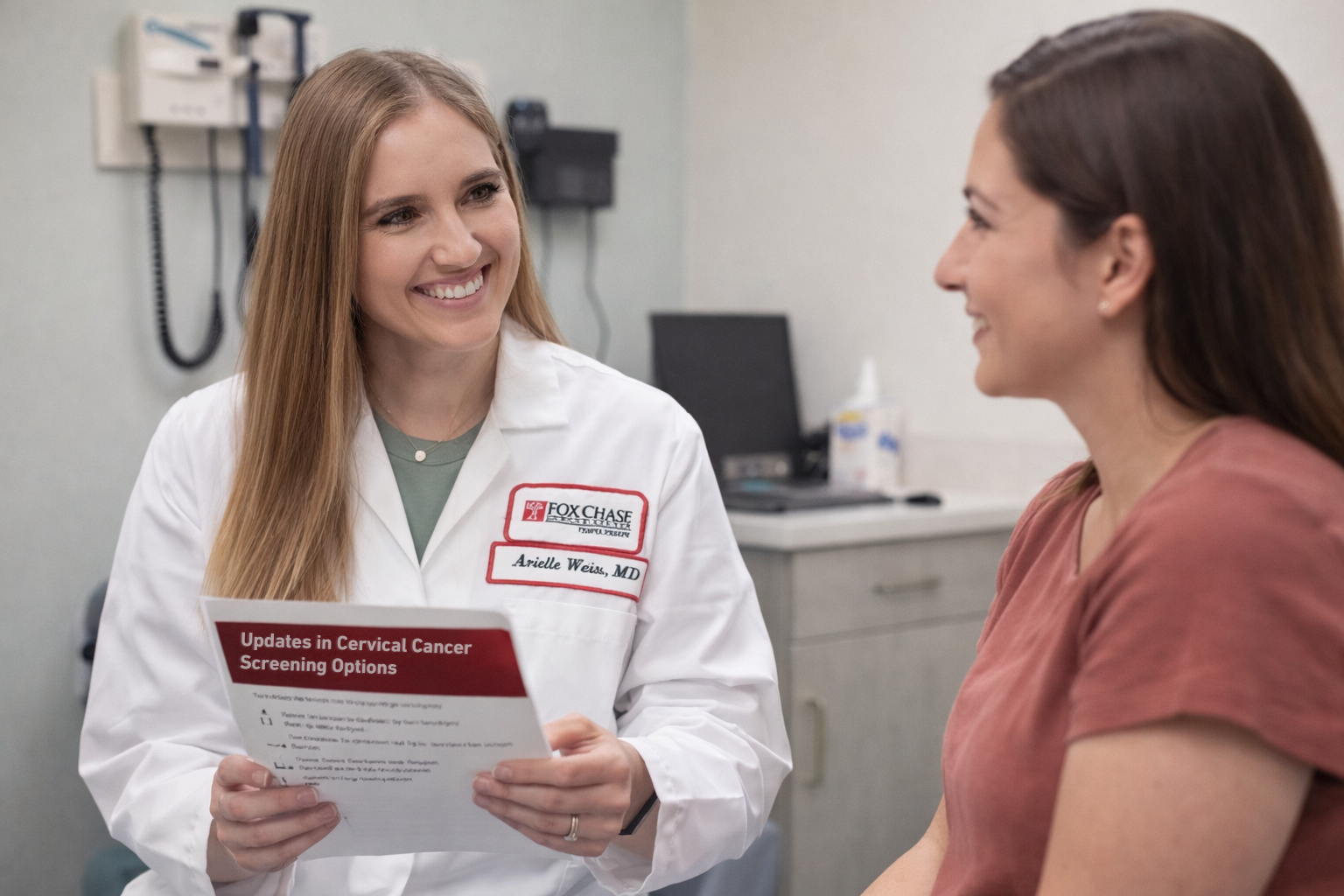
As a gynecologic oncologist, when I’m asked how to help prevent cervical cancer, my answer comes down to two key steps: Get the human papillomavirus (HPV) vaccine. And get the right screening test at the right time.
This approach is already making a difference: Cervical cancer rates have dropped dramatically in the U.S. over the past few decades, largely due to the HPV vaccine and increased screening through Pap and HPV testing. Those tests can find warning signs of cancer before it develops.
It's clear screening saves lives. But many people may be unsure how often they should be tested—or which tests they need. Here’s
Common screening tests for cervical cancer
Two tests are widely used to screen for cancer in the cervix, the narrow opening to the uterus at the top of the vagina—plus the option to get both at once:
- The Papanicolaou (Pap) test can find abnormal cells early, before they turn into cancer.
- The HPV test looks for the virus that is the main cause of cervical cancer.
- Pap and HPV co-tests combine Pap and HPV testing.
Screening with Pap tests has played a major role in preventing and detecting cervical cancer for decades. But Pap tests need to be repeated often, and they can also lead to false positives. That can lead to unneeded follow-up tests and stress for people whose Pap tests detect abnormal cells that are unlikely to lead to cancer.
Studies have found that HPV tests can detect precursors to cervical cancer more accurately than Pap tests. And they don't have to be repeated as often. That's led to new advice for cancer screening.
When should you get screened for cervical cancer?
The American Cancer Society guidelines are designed to avoid unnecessary testing for women at average risk whose test results are normal or show only mild, or low-grade, abnormal cells. They recommend regular screening for individuals with a cervix who are 25 to 65 years old.
But the details depend on which test you get:
If you are…
American Cancer Society Cervical Cancer Screening Guidelines say…
25 – 65 years old
- Get a primary HPV test performed by a doctor every 5 years (the preferred option).
OR you could choose:
- A self-collected HPV test every 3 years—these are prescribed by a doctor but performed at home.
- A HPV/Pap co-test every 5 years.
- A Pap test alone every 3 years.
Age 66 or older
No screening required
There are a number of organizations that provide screening recommendations for cervical cancer. While the ACS has recently updated their recommendations to the above, other organizations may recommend a different timeline. For example, the American College of Obstetricians & Gynecologists recommends screening with a Pap test alone for those ages 21 through 29. From age 30 through 65, they recommend either a primary HPV test every 5 years, a Pap test and HPV test (co-test) every 5 years, or a Pap test alone every 3 years.
It is important to have a conversation with your physician about which cervical cancer screening schedule you should follow.
When is more frequent cervical cancer testing needed?
The screening guidelines above are for people at average risk for cervical cancer. You may need to be screened more often— and followed more closely by your doctor—if you:
- Have a history of cervical cancer or abnormal Pap tests.
- Are infected with HIV (human immunodeficiency virus) or have a weakened immune system.
- Were exposed to DES (diethylstilbestrol) before birth.
What if you've had the HPV vaccine?
As I tell my patients, the HPV vaccine is incredibly effective. It can prevent over 90% of HPV related cancers. But even with the vaccine, it is still possible to get HPV and develop cervical cancer. If you have had the HPV vaccine, you should still follow the screening guidelines for your age group.
Do you need to be screened for cervical cancer if you've had a hysterectomy?
If you've had a hysterectomy (surgery to remove your uterus), you may still need cervical or vaginal cancer screening. It depends on several factors. You are more likely to need screening if:
- Your cervix was not removed as part of your surgery.
- You had the hysterectomy to remove abnormal or cancerous cells.
- You have a high-risk HPV infection.
Even if your cervix was removed, there may still be some cervical cells at the top of the vagina. Your doctor can help you decide when to stop screening.
The Importance of Routine Screening
Cervical cancer screening can find cancer early, when it may be easier to treat. Even better: Finding and treating precancerous cells can actually prevent cervical cancer from developing at all. So, if you're due for a cervical cancer screening, don't wait: Schedule now.
To request a cervical cancer screening at Fox Chase, fill out our online form or call 888-369-2427.
Helpful Resources
Looking for more information?