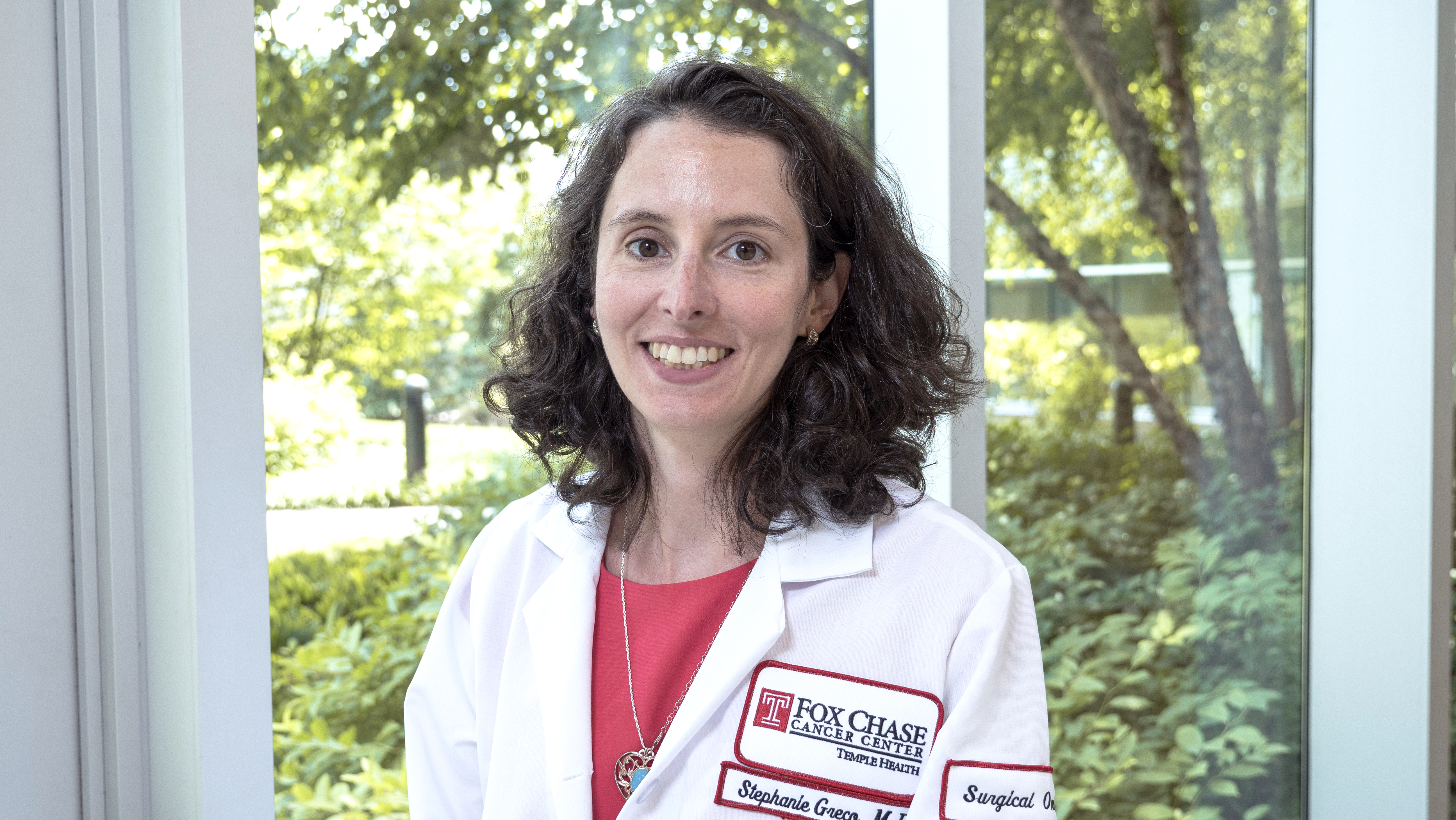
PHILADELPHIA (August 4, 2026)— A large national study led in part by researchers at Fox Chase Cancer Center has found that stomach cancer patients who respond especially well to chemotherapy given before surgery live significantly longer than those who do not.
The study analyzed outcomes for more than 7,200 people across the United States with non‑metastatic stomach cancer who received chemotherapy before surgery. Researchers used data from the National Cancer Database, one of the largest cancer registries in the country.
Complete Response Predicts Survival
Chemotherapy before surgery, called neoadjuvant chemotherapy, is commonly used to shrink tumors and improve the chances of successful surgery. However, until now, it was unclear how much benefit patients gained if the cancer appeared to completely disappear under the microscope after treatment.
This study shows that patients whose cancer was no longer detectable in both the stomach and nearby lymph nodes after chemotherapy had the best survival outcomes.
“These findings help confirm that the response to chemotherapy detected on final surgical pathology affects patient outcomes and prognosis,” said Stephanie H. Greco, MD, FACS, senior author on the study and associate professor of Surgical Oncology at Fox Chase. “When the cancer responds fully, patients tend to live significantly longer.”
Patients with Complete Response Lived Longest
- About 9% of patients had a complete response, meaning no cancer cells were found at surgery after chemotherapy.
- These patients lived years longer on average than those whose cancer remained.
- The strongest survival benefit was seen when cancer disappeared from both the primary tumor and the lymph nodes.
- Complete responses became more common in recent years, likely due to newer chemotherapy regimens now used nationwide.
Findings Support Personalized Care
The results support current treatment approaches that use chemotherapy before surgery for many stomach cancer patients. They also suggest that doctors may be able to use treatment response to better guide future care decisions.
“This research helps us understand which patients benefit the most from modern chemotherapy,” said Greco. “It brings us closer to more personalized treatment strategies.”
Study Analyzed More Than 7,200 Patients
The study, “Pathologic Response and Outcomes After Neoadjuvant Chemotherapy in Gastric Cancer: A NCDB Analysis,” was published in the Journal of Surgical Oncology.
The study examined national cancer registry data from patients diagnosed with non‑metastatic stomach cancer between 2004 and 2021 who were treated with chemotherapy before surgery. Researchers focused on patients whose cancer had not spread to distant organs and evaluated long‑term survival based on how completely the tumor responded to chemotherapy. Outcomes were compared between patients who had no remaining cancer at the time of surgery and those whose cancer persisted, allowing investigators to assess the relationship between treatment response and overall survival.
Future Research Will Seek to Refine Treatment
Researchers say future studies may explore how treatment response could help tailor follow‑up care and whether some patients may need less or different treatment after surgery.