- Interviews with nursing students and new graduates showed gaps in readiness, support, and mentoring.
- Pandemic-related disruptions to nursing education limited hands-on clinical experience, leaving many new graduates feeling unprepared for high-pressure care environments.
- Findings point to strategies that could strengthen retention and stabilize the nursing workforce.
PHILADELPHIA (June 9, 2026) — A new Fox Chase Cancer Center study examining nursing resignations during and after the COVID-19 pandemic found that many early-career nurses left or considered leaving the profession due to inadequate institutional support, diminished clinical readiness, emotional strain, and misalignment between expectations and real-world practice.
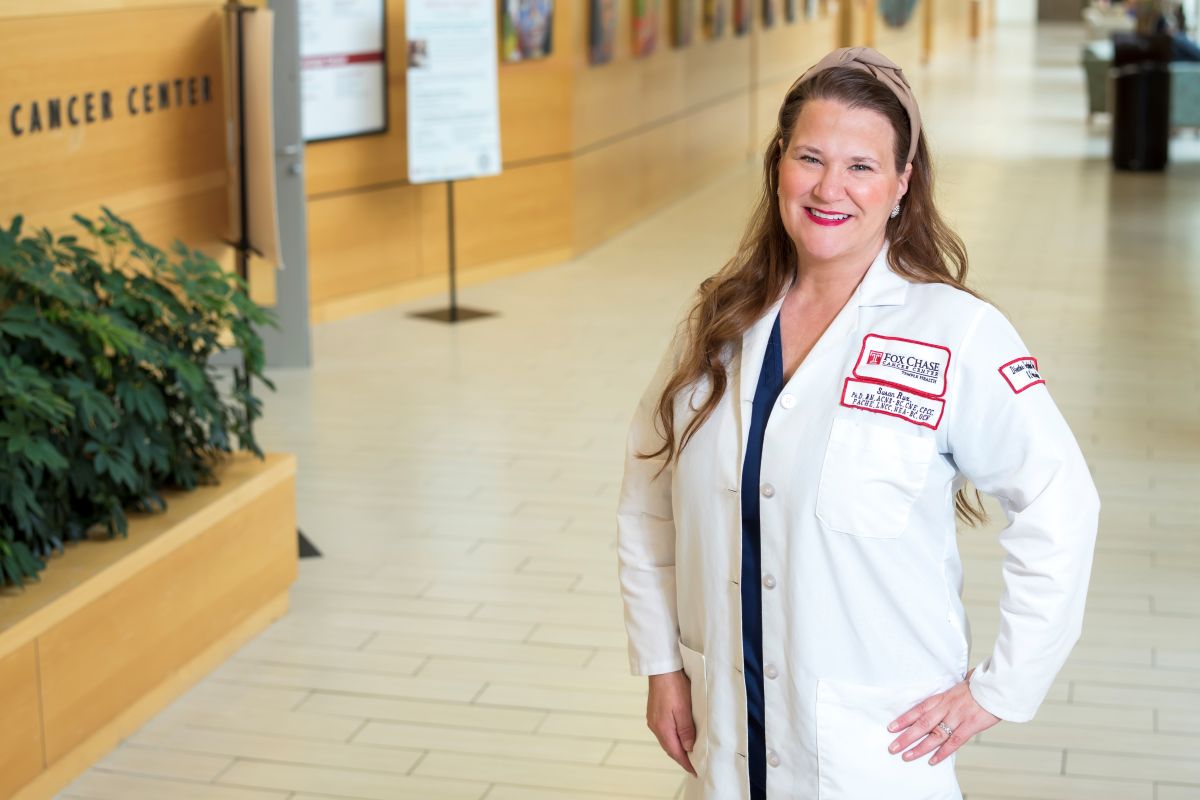
The study was led by Susan Rux, PhD, DNP, RN, FACHE, Associate Vice President of Professional Nursing Practice and Research at Fox Chase Cancer Center. The goal was to understand why nurses and nursing students were exiting the workforce at a time of unprecedented demand. Rather than using surveys, researchers conducted in-depth interviews to capture nurses’ firsthand experiences of entering practice during the pandemic.
“What we heard repeatedly was that nurses did not feel ready, supported, or emotionally equipped for what they were facing,” said Rux. “Many participants told us plainly, ‘I didn’t sign up for this.’”
An Unmet Need for Practice Readiness and Support
Participants in the study included nursing students within one year of graduation, newly licensed registered nurses with less than one year of employment, and practicing nurses who resigned during their first year. Across all groups, and particularly in those whose education occurred during COVID-related shutdowns, nurses described feeling unprepared for bedside care.
Clinical education was frequently disrupted, with limited access to hospitals, reduced hands-on patient care, and reliance on alternative learning methods. While necessary at the time, these changes left many graduates feeling unprepared when they entered high-acuity clinical environments, specialized healthcare settings designed for patients with severe, unstable, or complex conditions.
“Organizations expect practice-ready graduates, but these nurses were entering the workforce with significant gaps through no fault of their own,” said Rux. “That shifted a tremendous burden onto employers, educators, and the nurses themselves.”
Emotional Strain and Workforce Tension
Beyond technical readiness, nurses reported high levels of emotional distress. Many described fear for their own health, repeated exposure to patient deaths, and moral distress while caring for critically ill patients. Participants also noted tension within care teams, including generational differences and conflicting values about work, commitment, and purpose.
Nurses also described how public perception of the profession shifted during the pandemic, noting how early praise later turned into criticism, further compounding feelings of frustration and burnout.
Early Exit from Bedside Nursing
One of the study’s most notable findings was the number of new graduate nurses who chose to leave bedside nursing altogether. Some participants reported returning to school full-time to pursue advanced practice roles shortly after graduation, in part to avoid continuing in bedside positions they found overwhelming.
“This raised concerns about long-term workforce stability and professional development,” Rux said. “Fast-tracking out of bedside practice may feel like a solution in the moment, but it can create new challenges for patients and the profession overall.”
Key Takeaways for Nurse Leaders
The study highlights mentoring as a critical intervention to support early-career nurses. Structured mentoring programs were identified as a way to improve transition to practice, address emotional strain, and strengthen retention.
The findings also call on nurse managers and hiring leaders to reconsider traditional hiring practices.
“We need to stop hiring only for experience and start hiring for behaviors, potential, and engagement,” Rux said. “If we don’t give new nurses a real opportunity to grow, they will continue to leave, and we can’t afford that.”
Looking Ahead
While the study included a small number of nurses who resigned during their first year of practice, the findings also provide deep insight into the lived experiences of early-career nurses during an extraordinary period in healthcare.
Future research will focus on understanding nursing career trajectories from entry into education through early professional practice, with the goal of improving retention, engagement, and patient care outcomes.
“If we don’t address these issues now, the nursing shortage we’ve talked about for decades will only deepen,” said Rux.
The study, “Exploring RN Resignations,” was published in the journal Dimensions of Critical Care Nursing.