For most people, cancer is discovered only after it has already taken hold. By then, treatment can be complex, difficult, and life‑altering.
But what if cancer could be stopped before it becomes dangerous?
That possibility is driving a new approach known as cancer interception, and Fox Chase Cancer Center is helping lead this shift in cancer care. At the center of the effort is Margie Clapper, PhD, whose work is focused on one powerful idea: the earlier cancer is stopped, the better the outcome for patients.
“The earlier we act, the more opportunity we have to change the course of disease,” said Clapper, Co-Leader of the Cancer Prevention and Control Research Program and the Samuel M.V. Hamilton Chair in Cancer Prevention. “That’s where cancer interception can truly make a difference.”
A New Way of Thinking About Cancer
Traditionally, cancer care has focused on treating tumors after they form. Cancer interception turns that model on its head by targeting the earliest biological changes that can lead to cancer—sometimes even before symptoms appear.
Rather than waiting, scientists look for early warning signs, such as pre‑cancerous changes, inherited risk, or subtle molecular signals in cells. The goal is to interrupt cancer before it becomes invasive, when treatment may be simpler, safer, and more effective.
For patients, this shift could mean fewer aggressive treatments, better quality of life, and improved survival.
Fox Chase at the Forefront of a National Movement
Fox Chase’s leadership in cancer interception was recently reinforced when Clapper received a 6 million grant from the National Cancer Institute (NCI) to launch one of the nation’s first Cancer Prevention–Interception Targeted Agent Discovery (CAP‑IT) programs.
Only three institutions nationwide received this funding, placing Fox Chase among a small group shaping the future of cancer prevention and early treatment.
The program is focused on developing new medicines specifically designed to stop cancer early – targeting the molecular and immune system changes that signal cancer has begun.
Clapper also serves as the inaugural chair of the national CAP‑IT steering committee, positioning Fox Chase at the center of a growing national effort to redefine how cancer is addressed.
Why This Matters for Patients
Cancer prevention has long been challenging because it often requires treating healthy people for many years, raising concerns about safety and effectiveness.
Cancer interception takes a more focused approach. It zeroes in on people who already show early warning signs, and those are the patients most likely to benefit from intervention.
“Interception allows us to be more precise,” Clapper said. “We’re focusing on people who stand to gain the most.”
By intervening earlier, researchers hope to reduce the need for aggressive therapies later and shift cancer care toward prevention and early action rather than reaction.
Building Treatments From the Ground Up
A defining feature of Fox Chase’s interception program is that therapies are being developed from scratch, with early intervention in mind.
Rather than relying on existing drugs, Clapper’s team designs new molecules, creates new compounds, and tests them specifically for their ability to stop cancer before it advances.
“We’re building these treatments with interception as the goal from day one,” she said.
This end‑to‑end approach—from discovery to development—allows researchers to tailor therapies specifically for early‑stage disease, something that has rarely been done before.
National and Global Recognition
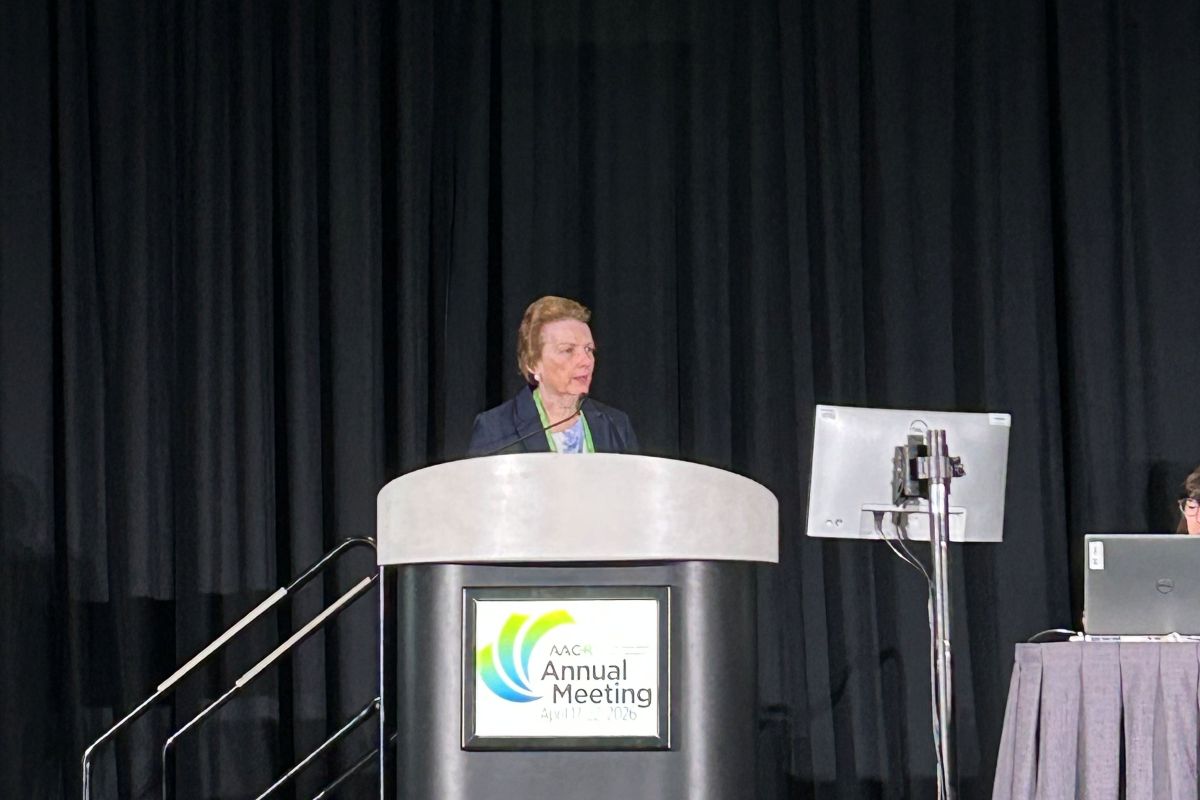
Clapper’s leadership is gaining attention well beyond Fox Chase. In April she presented at the American Association for Cancer Research (AACR) Annual Meeting, one of the world’s largest cancer research conferences.
She is one of only three invited experts worldwide—and the only U.S.-based investigator—to speak in a session dedicated entirely to cancer interception.
Fox Chase researchers have also contributed to multiple NCI‑led national and international summits, helping guide how the field develops and how discoveries move closer to patient care.
Shaping the Future of Cancer Care
Beyond research, Fox Chase’s interception program invests in people. Early‑career scientists receive mentorship and opportunities to engage with national leaders, while patient advocates help ensure the work remains focused on real‑world needs.
As cancer interception continues to gain momentum, Fox Chase—guided by Clapper’s decades‑long commitment to turning discovery into action—is helping drive a broader shift in cancer care.
“This is a very exciting time,” Clapper said. “Cancer interception gives us a real opportunity to change how cancer is treated—and, ultimately, how it affects people’s lives.”