Geographic Management of Cancer Health Disparities Program (GMaP)
The Geographic Management of Cancer Health Disparities Program (GMaP), which ran from 2009 through 2023, was a national program designed by the National Cancer Institute (NCI) to enhance capacity in the areas of disparities research; recruitment and career/professional development of underrepresented investigators, trainees, and students; communication and dissemination; and evaluation, as part of building region-based “hubs” for the support and efficient management of cancer health disparities (CHD) research, training, and outreach.
After more than 13 years in operation, the GMaP program will sunset nationally at the end of the current fiscal year which runs through September 30th, 2023. The GMaP initiative was created and funded through the National Cancer Institute's (NCI) Center to Reduce Cancer Health Disparities (CRCHD).
Connect with the National Research Mentoring Network (NRMN), a federally funded initiative that contributes to diversifying the biomedical research workforce through mentorship and a wealth of other support.
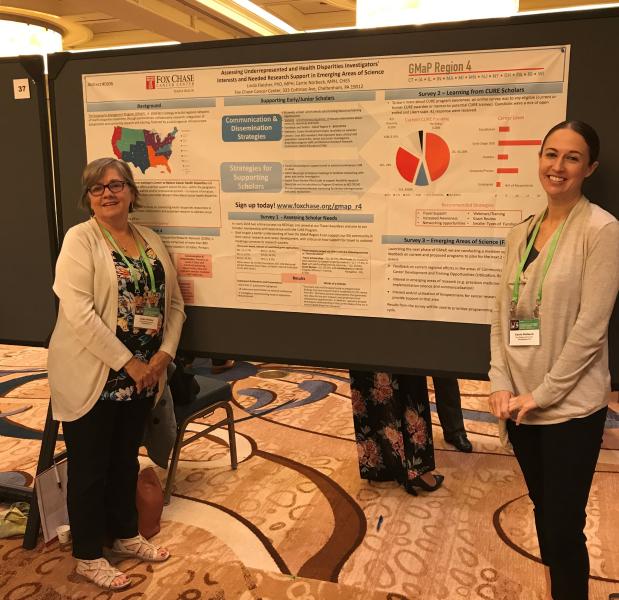
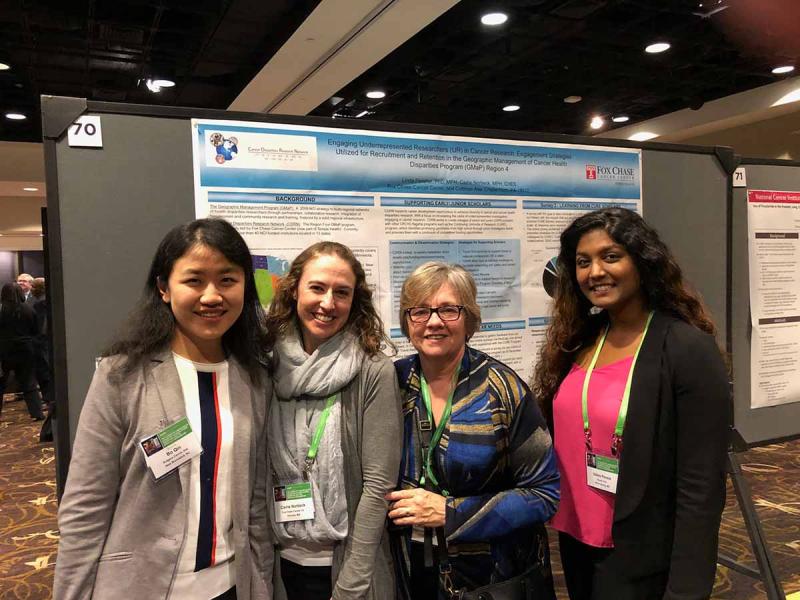
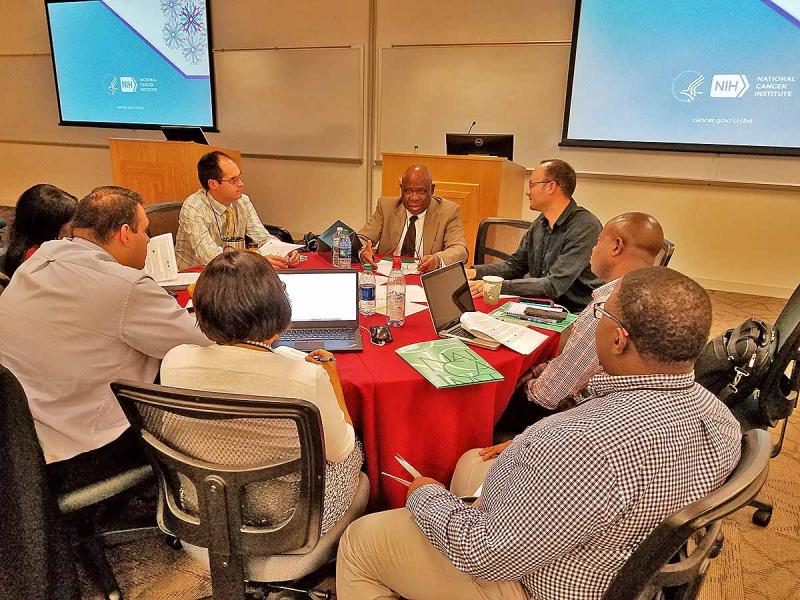

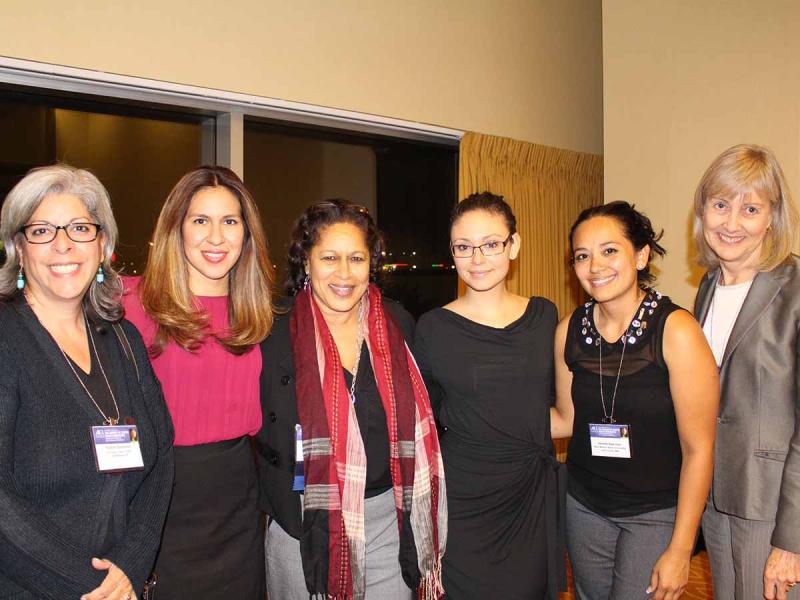
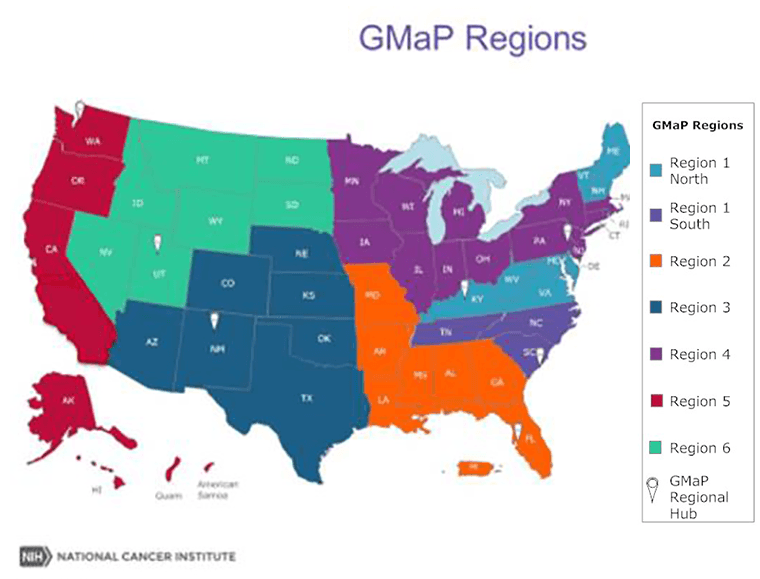
GMaP Region 4
Fox Chase Cancer Center Temple Health served as the hub for Region Four from 2009-2023, which grew to include more than 900 members and 40 partner institutions in Connecticut, Iowa, Illinois, Indiana, Massachusetts, Michigan, Minnesota, New Jersey, New York, Ohio, Pennsylvania, Rhode Island and Wisconsin.
The goals of GMaP were to:
- To advance the science of cancer health disparities
- To contribute to the next generation of cancer and cancer health disparities researchers
- To achieve measurable reductions in cancer health disparities