A A A Text Size
E-mail E-mail This Page
 

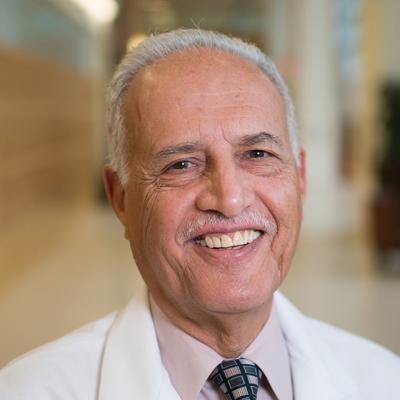
Mitchell R Smith, MD, PhD

Medical Oncology

Director, Lymphoma Service

Meet other members of the lymphoma, leukemia and myeloma treatment team.

Fox Chase Cancer Center
333 Cottman Avenue
Philadelphia, PA 19111-2497

To make an appointment, call:
215-728-2570.

For general information, call:
1-888-FOX CHASE.
An oncology certified nurse will assist you.

Clinical Expertise:

Lymphomas; Leukemia; Myeloma

Medical Education:

Case Western Reserve University School of Medicine, Cleveland, Ohio, 1979;
(PhD in Experimental Pathology, 1979)

Residencies:

Pathology, Washington University School of Medicine, Barnes Hospital, St. Louis, Mo.;

Internal Medicine, Jewish Hospital of St. Louis, Mo.

Fellowship:

Medical Oncology, Memorial Sloan-Kettering Cancer Center, New York, N.Y.

Certifications:

American Board of Internal Medicine;
American Board of Medical Oncology;
American Board of Hematology

Professional Societies:

American Society of Clinical Oncology;
American Association for Cancer Research;
American Society of Hematology

Scientific Report:

Hematology and Hematologic Malignancies;
Medical Oncology: Clinical Trials Research
(These links require Adobe® Acrobat Reader to view.)

Research Interests:

Developmental Therapeutics;
Principal Investigator Directory;
Postdoctoral Program

Mitchell R Smith, MD, PhD


Philadelphia Magazine
Top Doctors 2008
Medical Oncology

I joined the medical staff at Fox Chase Cancer Center in 1993 as director of the Lymphoma Program. I have always been interested in why cells become cancerous, so I chose to enter the field of medical oncology. This allows me to combine research into this question with taking care of patients affected with this disease.

At Fox Chase, I focus my attention on cancers involving the blood and bone marrow (the factory that makes blood). This focus lets me combine caring for specific patients and studying new treatments in clinical trials with laboratory research to improve the understanding of how these diseases develop and thus, improve therapy.

We have focused our efforts on developing treatments based on understanding the biology of blood cancers. These "biologic" therapies, such as monoclonal antibodies and vaccines, are targeted to the cancer cells. This allows us to improve results and decrease side effects. For many types of blood cancers, we have excellent results, including cures. For other types, we can control the disease for many years.

The blood cancers (also called hematologic malignancies) are different from most other cancers and can be confusing for patients. I believe in making sure patients understand, and are comfortable with, the treatment plan and its goals for their particular disease.

What I find exciting about my job is the pace of development of these new treatment options and that I can assure my patients that we can look forward to many new and effective treatments in the foreseeable future.